

Montenegro’s energy sector is undergoing a period of major transformation, from the accelerated deployment of renewable energy sources and the modernization of electricity infrastructure, to broader challenges related to energy security, regional market integration and decarbonization.
At the center of these developments is EPCG, the country’s largest energy company, which plays a key role in electricity generation, supply and Montenegro’s future energy development.
With an institutional history spanning 116 years, Elektroprivreda Crne Gore, EPCG, remains the undisputed backbone of Montenegro’s economy and infrastructure. As a state-owned energy company, EPCG supplies nearly 400,000 household, commercial and industrial consumers, serving annual electricity demand of approximately 3,000 GWh.


Currently, the company’s generation mix is based on a total installed capacity of around 875 MW, structured around three main generation assets:
- HPP Piva, with 342 MW, and HPP Perućica, with 307 MW: two major hydropower plants that provide significant flexibility, while at the same time making the company’s financial performance highly dependent on hydrological conditions and seasonal droughts.
- TPP Pljevlja, with 225 MW: the country’s only lignite-fired thermal power plant, which traditionally provides baseload generation and covers between 40 and 50 percent of Montenegro’s total domestic electricity production.
As the Western Balkans enters a decisive phase of environmental alignment, EPCG is facing one of the most complex chapters in its history. The ongoing environmental modernization of TPP Pljevlja, the forthcoming pressure from the EU’s Carbon Border Adjustment Mechanism, CBAM, and the rapid influx of private applications for large-scale renewable energy projects are reshaping the company’s operational reality.
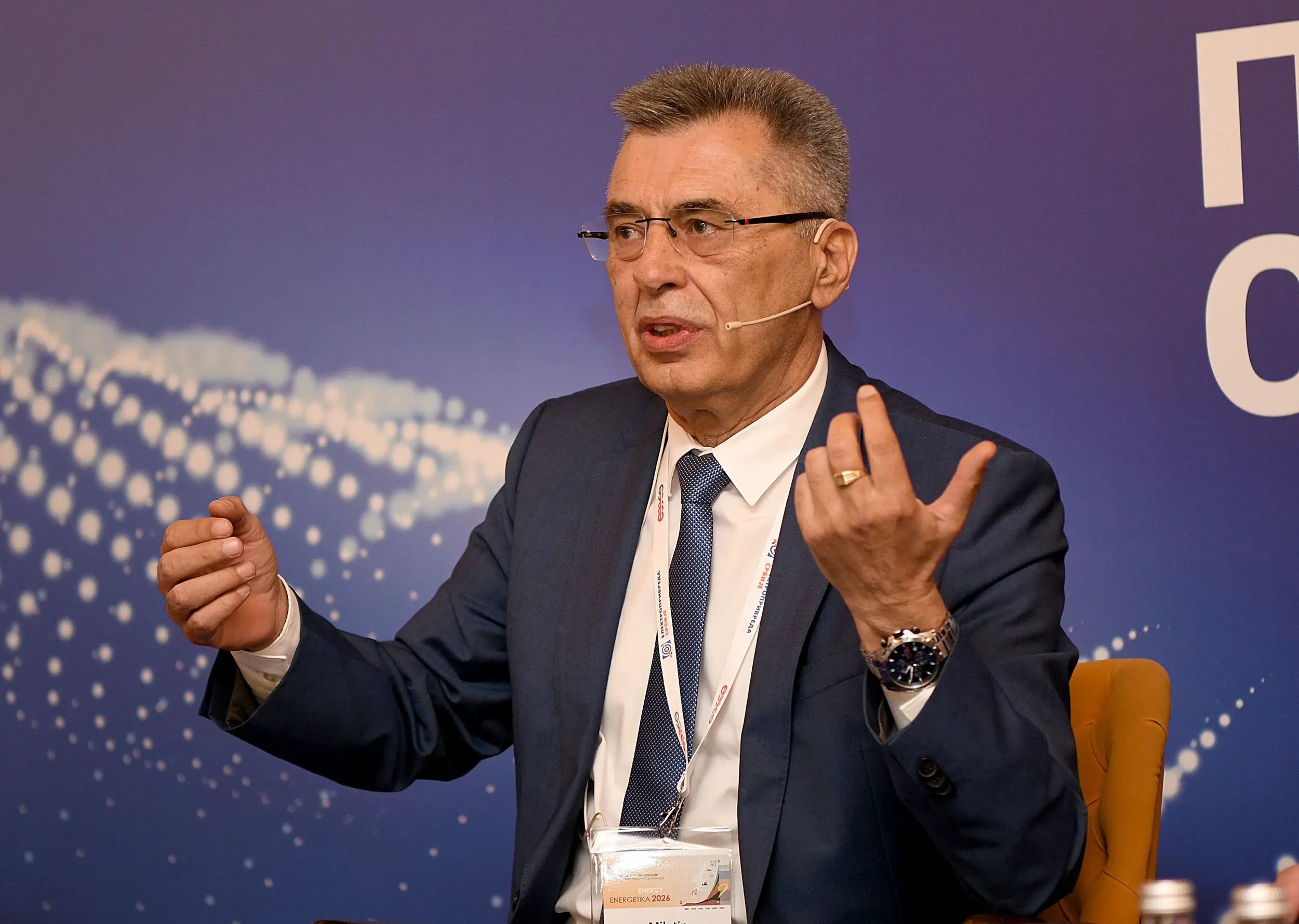
To discuss the current challenges facing the energy sector, ongoing investments, the energy transition and Montenegro’s future position in the regional electricity market, Energy & Climate Index speaks with Milutin Đukanović, President of the Board of Directors of EPCG.
Đukanović is an electrical engineer with extensive experience in the energy sector and information systems within Elektroprivreda Crne Gore, where he held several positions related to the development and implementation of business and billing systems. Alongside his professional career, he also served for many years as a Member of Parliament in Montenegro and participated in several parliamentary committees focused on the economy, budget and privatization.
Montenegro has significantly accelerated the development of renewable energy projects. How do you assess EPCG’s current position in the energy transition, particularly in relation to the environmental reconstruction of TPP Pljevlja and the upcoming EU CBAM regulations? What is the strategy for maintaining energy stability during this transition phase?
Montenegro is currently in a very important period of energy transition, and EPCG has a special responsibility in that process. Our task is to ensure the security of supply for citizens and the economy while also aligning with European standards when it comes to the decarbonization of the energy sector.
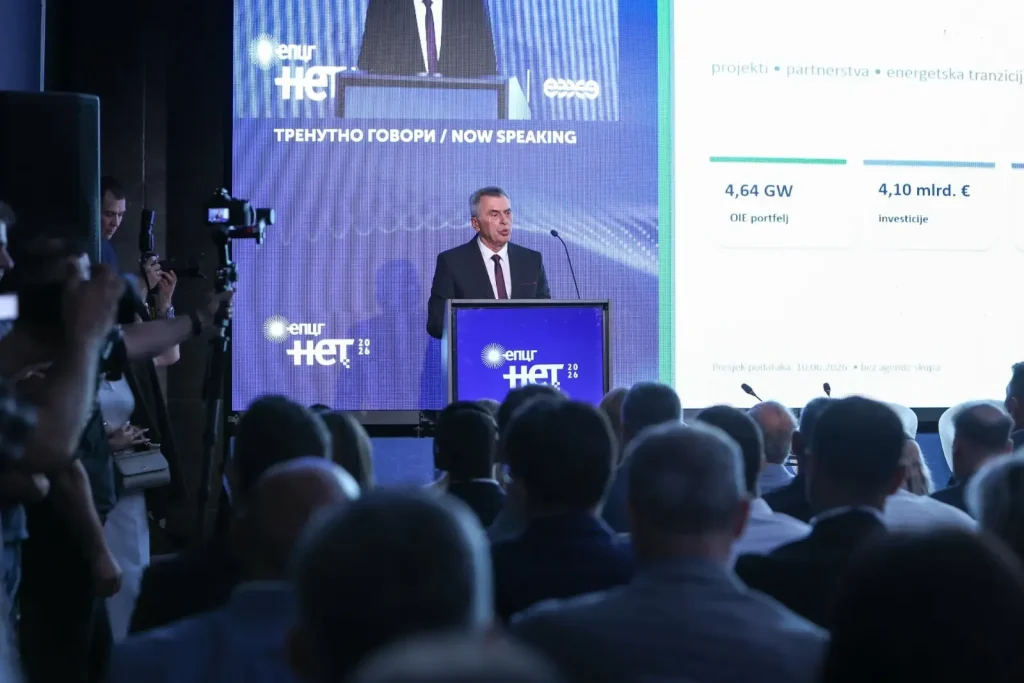
The environmental reconstruction of the Pljevlja Thermal Power Plant is one of the most significant projects we have implemented. We are aware that European policies, including the CBAM mechanism, will impose increasingly strict requirements on electricity producers that use fossil fuels. That is precisely why the reconstruction was an important step, as it will enable the thermal power plant to operate in line with modern environmental standards until new renewable energy generation capacities are built.
However, we must be realistic. The energy transition cannot be implemented overnight. At this moment, the Pljevlja Thermal Power Plant remains an important pillar of Montenegro’s power system and a guarantee of supply stability. Our goal is not to shut down existing capacities before securing adequate replacements, but to gradually increase the share of solar, wind and hydropower projects.
For this reason, EPCG is investing in parallel in new solar power plants, the development of the Komarnica HPP project, Bistrica HPP, battery energy storage systems and other projects that will increase the country’s energy independence in the long term. I believe that precisely this balance between security of supply and the accelerated development of renewable energy sources is the best way for Montenegro to successfully navigate this transition period.
With the rapid increase in approvals for solar and wind power projects in Montenegro, power grid flexibility has become a priority. How does EPCG cooperate with the transmission system operator, CGES, in managing the integration of new capacities into the grid? What concrete role will large battery energy storage systems have in managing these new capacities?
The development of renewable energy sources brings major opportunities, but also new challenges for the power system. Solar and wind power plants depend on weather conditions, which is why additional grid flexibility must be ensured.
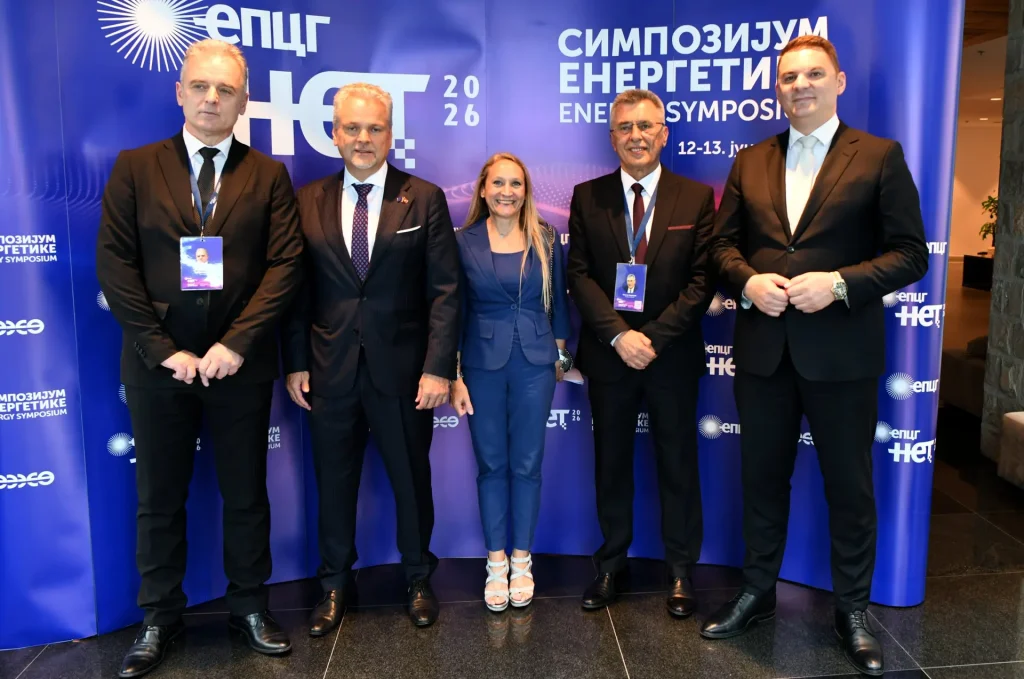
EPCG and CGES share a common interest in ensuring that new capacities are integrated in a safe and efficient manner. This is why continuous coordination is necessary when planning new grid connections, developing network infrastructure and managing energy flows.
Battery energy storage systems will play a particularly important role in this process. They represent one of the most important investments in modern energy systems, as they make it possible to store surplus energy produced during the day and use it when consumption is highest. In this way, system stability is increased, balancing costs are reduced and further development of renewable energy sources is enabled.
Our vision is for battery systems to become an important part of Montenegro’s future power system and, together with hydropower plants, to serve as a key factor in energy security.
EPCG has recently signed strategic cooperation agreements with global leaders such as Masdar and EDF France, particularly for key projects such as Bistrica HPP, the development of BESS systems and new renewable energy sources. From a strategic perspective, what financial and operational models are preferred for such partnerships, and how important are international knowledge and experience for the broader energy transition of the Western Balkans?
The energy transition requires significant financial resources, but also access to the latest technologies and experience. That is precisely why we believe that partnerships with renowned international companies such as Masdar and EDF are extremely important for the development of EPCG and Montenegro’s energy sector as a whole.
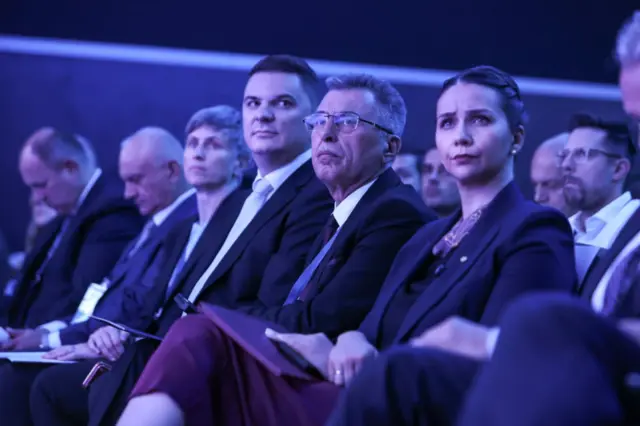
When we speak about major projects such as Bistrica HPP, battery systems or new renewable energy sources, the most efficient model is a combination of domestic knowledge and international experience. Such cooperation enables faster project implementation, access to more favorable sources of financing and the application of global best practices.
The Western Balkans face similar challenges when it comes to the energy transition, and I believe that international partnerships will play a key role in accelerating that process. It is important to learn from the best, but also to develop our own capacities so that we can remain competitive in the regional market in the long term.
In light of geopolitical risks and an unstable energy market, regional cooperation is more important than ever. How can power utilities in the Western Balkans better coordinate their generation and storage capacities in order to mitigate market risks and optimize electricity trading?
In recent years, we have all witnessed how sensitive energy markets are to geopolitical developments and disruptions in supply chains. This is precisely why regional cooperation is far more important today than before.
The countries of the Western Balkans have different energy resources. Some have greater hydropower potential, others have more developed thermal capacities, while some are rapidly investing in solar and wind power plants. Through better coordination of generation, energy exchange and joint planning of new investments, it is possible to achieve greater security of supply for the entire region.
In addition, the development of storage capacities, especially battery systems and pumped-storage hydropower plants, can significantly contribute to market stability and the more efficient use of renewable energy sources. I believe that cooperation, rather than isolated action by individual systems, is the best response to the challenges ahead.
State-owned energy companies often have to balance market-oriented growth with social responsibility. How does EPCG manage to maintain a balance between its role as a stabilizing economic factor for the citizens of Montenegro and its transformation into a modern, highly competitive participant in the regional energy market?
EPCG is a company with a special responsibility toward the citizens of Montenegro. Unlike many private companies, our goal is not solely to generate profit, but also to preserve energy stability and protect the interests of consumers.
In previous years, we have shown that it is possible to maintain relatively favorable electricity prices for households, even during periods of major market disruptions. At the same time, we have invested significant funds in the development of new generation capacities and the modernization of operations.
I believe that social responsibility and market competitiveness are not mutually exclusive. On the contrary, a successful company must be financially stable in order to implement investments, create new jobs and contribute to the development of the country. This is precisely how I see EPCG’s future role, to remain a pillar of Montenegro’s economy, while also becoming a modern regional energy leader.
The “Solari” rooftop solar projects for households have generated enormous public interest in Montenegro. As this model expands, what are the most important operational experiences and lessons learned so far, and how is EPCG simplifying technical and administrative procedures to enable citizens to install systems and connect to the grid more quickly? Do you also believe that this prosumer model could serve as a successful example for the wider Western Balkans region in supporting citizens and achieving a truly “just transition”?
The “Solari” project is one of the most successful energy projects in Montenegro in recent years. We are particularly pleased that citizens have recognized the benefits of producing electricity for their own needs and are actively participating in the energy transition.
The most important lesson we have learned is that citizens want simple procedures, clear information and reliable support throughout the entire process. That is why we have worked to simplify administrative procedures as much as possible and enable faster project implementation and grid connection.
Through this model, citizens are no longer just consumers, but also producers of energy. This concept has proven successful across Europe, and I believe it can also serve as an example of good practice for the countries of the region.
The energy transition will not be successful unless citizens participate in it. That is why I believe that projects such as Solari are the best example of a just transition, because they enable people to directly experience the benefits of the changes taking place in the energy sector.
Interview conducted by Viktor Andonov
[…] Odbora direktora EPCG Milutin Đukanović kazao je za Energy & Climate Index da je za razvoj energetskog sektora važno učiti od najboljih svjetskih praksi, ali istovremeno […]