

The Macedonian Solar Association “Solar Macedonia” was established in 2006, at a time when the domestic solar sector was still at an early stage of development.
Today, the association brings together more than 100 domestic and international companies, experts and professionals working in photovoltaics, solar thermal systems, battery energy storage, heat pumps and other technologies related to the use of solar energy.
Over the past two decades, Solar Macedonia has developed alongside the domestic solar market by representing the sector’s interests, providing professional training and personnel certification, connecting companies, and organising trade fairs, business delegations and the Annual Solar Conference. In 2026, the association is celebrating its 20th anniversary, while its conference will hold its fifth edition.


We spoke with the president of Solar Macedonia, Prof. Dr Ilija Nasov, Prof. Dimitar Dimitrov and the association’s project manager, Stefan Trajkov, MSc, about the association’s beginnings, the development of the solar industry in North Macedonia, the challenges facing companies and the next phase in the use of solar energy.
Prof. Nasov, Solar Macedonia is celebrating its 20th anniversary this year. How did the idea of establishing the association emerge in 2006, and who was involved in its foundation?
I am genuinely pleased to look back on the establishment of the Macedonian Solar Association 20 years ago. In 2006, Prof. Dr Kiril Popovski led an Austrian-Macedonian project aimed at educating Macedonian enthusiasts working in the solar sector, including representatives of various institutions and academia, solar equipment manufacturers, traders and system designers. Our trainers were leading experts from Austria, which at the time was among the frontrunners in the field of solar energy.
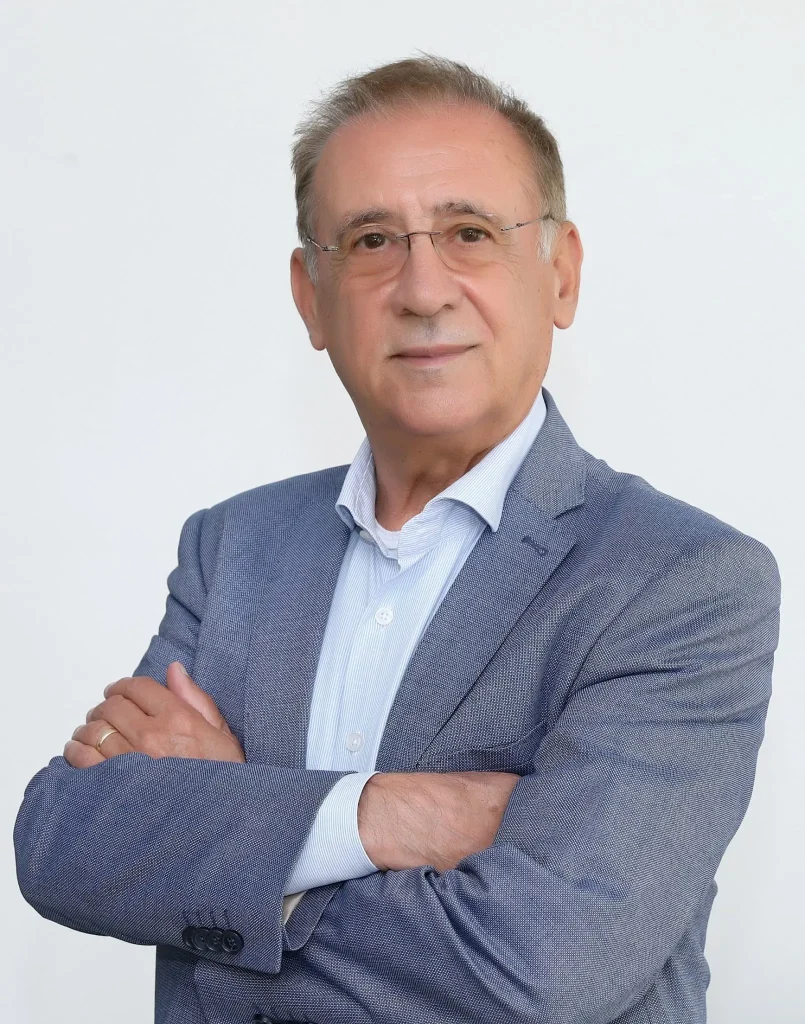
Following a series of lectures and study visits, including a visit to the CRES solar energy institute in Athens, we were invited to the World Solar Energy Congress in Gleisdorf, Austria. There, I had the opportunity to present some of our research and development achievements. In a pleasant atmosphere after the congress, together with experts from Austria, Germany and other institutes, we came up with the idea of establishing the Macedonian Solar Association. The idea was born in Gleisdorf.
The association’s first president was Prof. Dr Sanja Popovska Vasilevska. At that time, we also defined the association’s most important objectives and principles:
- Increasing the use of solar energy in North Macedonia through lectures, presentations, workshops, media appearances and interviews.
- Establishing the association’s governing bodies, including its presidency, committees and assembly.
- Expanding membership by involving the most prominent experts in the field of solar energy.
- Raising awareness of the benefits of using solar energy.
What did the solar sector in North Macedonia look like at the time, and what were the greatest challenges during the first years of operation?
At the time, we believed that the most important factors for the use of solar energy were climatic conditions and the level of solar irradiation. However, through our activities outside North Macedonia, we became aware that solar energy use in our country was at a very low level, while countries with significantly lower solar irradiation, such as Austria and countries in Central and Northern Europe, had levels of deployment that were dozens of times higher.
It became evident that the key factor in development was not only natural potential, but also national policies implemented through incentives, subsidies and legal obligations.
That is why we began intensive lobbying and awareness-raising activities, targeting not only the general public but also institutions. Although subsidies in our country were considerably lower than those available elsewhere in Europe, they nevertheless led to a significant increase in the use of solar energy through solar collectors and related systems.
When subsidies were introduced on a first-come, first-served basis, we began lobbying for them to be awarded according to quality criteria. Our objective was to ensure that European quality certificates became part of the eligibility criteria for subsidies.
During this process, we faced a shortage of professionally trained designers, installers and technicians. We therefore organised numerous education and training programmes. There was also a need for the association to receive official authorisation to conduct training and issue certificates.
We had already been accredited by the Ministry of Education and Science and the Adult Education Centre, after which we developed curricula and educational programmes covering all types of solar systems.
It also became clear that the association needed professionally engaged and employed staff. With the involvement of project manager Stefan Trajkov, MSc, who demonstrated considerable commitment and dedication, we began applying for numerous national, international and European projects.
Today, we can say that we are among the few solar associations that, in addition to national initiatives, have actively participated in European research and development projects alongside some of Europe’s largest institutions and research centres.
When did you first feel that solar energy was moving beyond a small circle of enthusiasts and becoming a genuine market and an important part of North Macedonia’s energy sector?
In the first years following the association’s establishment, the solar sector genuinely relied on enthusiastic equipment manufacturers who lacked sufficient education, experience, modern technology and resources.
The turning point came when we began organising visits to international trade fairs, conferences and professional lectures. We invited leading European and international experts and arranged visits to European equipment manufacturing facilities. At that point, we realised that we also had to achieve the same professional and technological standards.
Almost all domestic manufacturers began certifying their collectors and systems, which enabled them to participate not only in the domestic market but also in foreign markets.
I can confidently say that, although North Macedonia is a small country, it has produced significant and noteworthy products and innovative solutions. Macedonian companies have also exhibited at Europe’s largest trade fairs, including Intersolar, which continues to be regularly attended by many members of the association.
Mr Trajkov, when did you become involved in Solar Macedonia, and which activities contributed most to its recent development and membership growth?
I have been actively involved in the work of the Macedonian Solar Association, Solar Macedonia, for more than seven years.
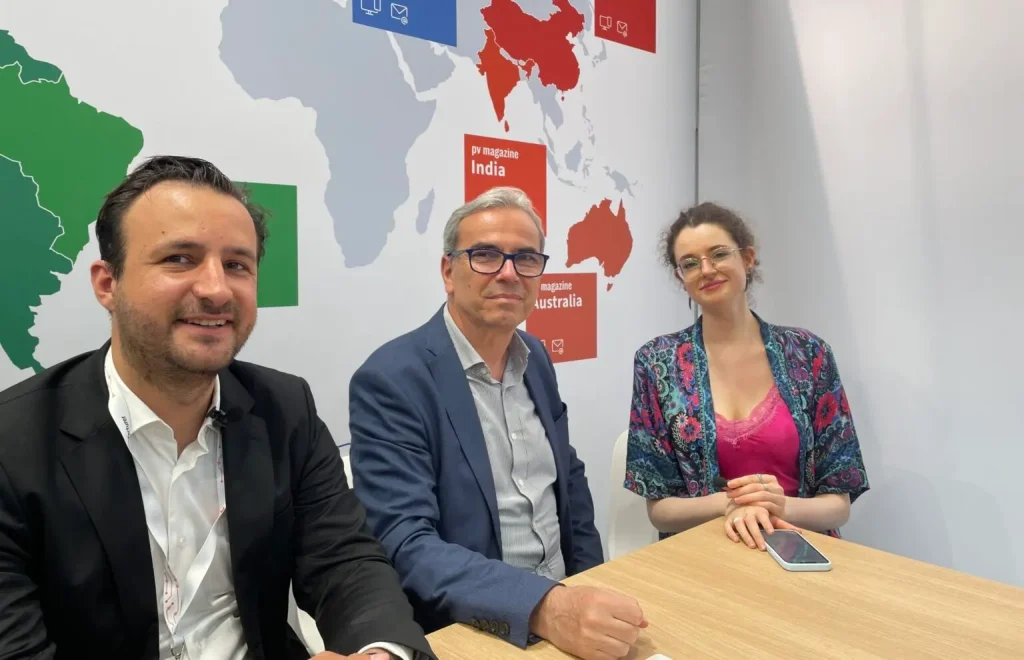
In the early stages, like many other associations in our country, we faced the challenge of building a strong and active membership base. After analysing the needs of the sector, we concluded that the key to development was the internationalisation of our member companies, the establishment of partnerships with related organisations abroad, and the organisation of professional training programmes and events that would improve their competitiveness and the quality of their work.
Through the implementation of various projects, we began developing services that now form the basis of the association’s financial self-sustainability and are delivered on a continuous basis.
Several activities have been particularly important drivers of development and membership growth.
Training for solar installers
One of the most important activities we developed in 2019 was the training programme for solar installers, which is now one of Solar Macedonia’s most recognisable programmes.
The training is intended for people who want to develop professionally or obtain certification of their knowledge and skills.
To date, more than 130 candidates from across North Macedonia have successfully completed the programme. A particular strength of the programme is that it involves more than ten trainers, each of whom is an expert in their respective field.
The lectures cover photovoltaic systems, battery systems, heat pumps, solar thermal systems, mounting structures, electrical installations, lightning protection, heating and cooling, and other related areas.
This multidisciplinary approach enables candidates to acquire practical knowledge within a relatively short period and to establish direct contact with some of the most relevant experts and companies in the sector.
It is particularly encouraging that most of the candidates who have completed the programme are now actively working in the industry and regularly participate in events organised by Solar Macedonia.
Training in system design and energy calculations
In addition to practical training, we have developed programmes for designing solar systems and conducting energy calculations using specialised software tools.
For the first time in the region, we organised an international RETScreen training programme at the Western Balkans level. Since the software is available in several languages, including Macedonian, English, Albanian, Turkish and German, the training attracted participants from several countries in the region.
This was followed by training programmes in PVSOL Premium, TSOL, GeoT*SOL and TRNSYS, through which we made a significant contribution to strengthening technical capacity and improving the quality of work in the sector.
These training programmes played a particularly important role during the COVID-19 pandemic. After completing the PV*SOL Premium training, many companies were able to continue working without interruption by using the software for remote system design.
Based on the precise coordinates of individual facilities, companies were able to prepare preliminary technical analyses and offers without the need for an immediate on-site visit.
International cooperation
Active membership in European professional organizations, including Solar Heat Europe, represents an important part of our work.
By participating in their working groups, we actively contribute to the preparation of legislation, technical standards and subsidy models for solar systems.
This membership provides us with direct access to the latest information, European policies and good practices, while also enabling us to establish partnerships with other solar associations across Europe.
All these activities have helped Solar Macedonia become recognised as a relevant professional organisation in the renewable energy sector. The association currently has more than 120 domestic and international members, including manufacturers, traders, designers, installers, engineers, experts and university professors.
Continuous investment in education, international cooperation and the development of new services has provided the foundation on which we have built an active and self-sustaining association that contributes to the development of the solar sector in North Macedonia and the wider region.
The Annual Solar Conference has developed into an important regional event. How has it evolved since its first edition, and what will the fifth edition offer in 2026?
Five years ago, we organized the first Annual Solar Conference together with the MAXSOL EXPO solar trade fair, recognizing the need for an event that would bring together all relevant stakeholders from the solar and energy sectors.
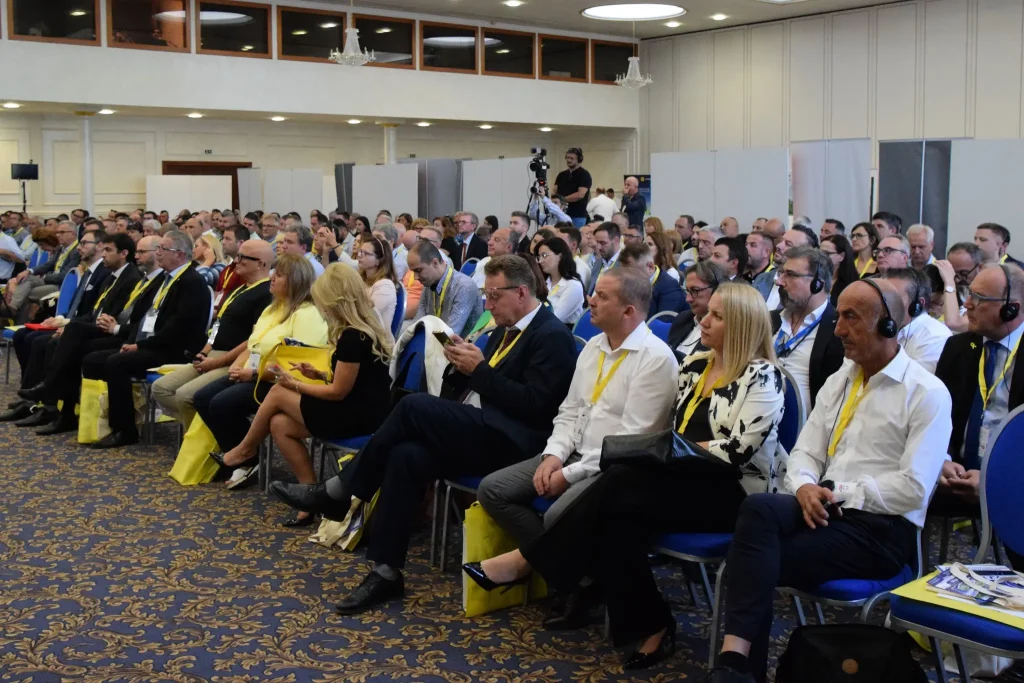
As an association composed predominantly of engineers and technical experts, with many years of experience and extensive cooperation with companies working with different types of solar technology, we recognized that there was no platform where companies, institutions, experts and manufacturers could exchange knowledge and experience and establish new business partnerships.
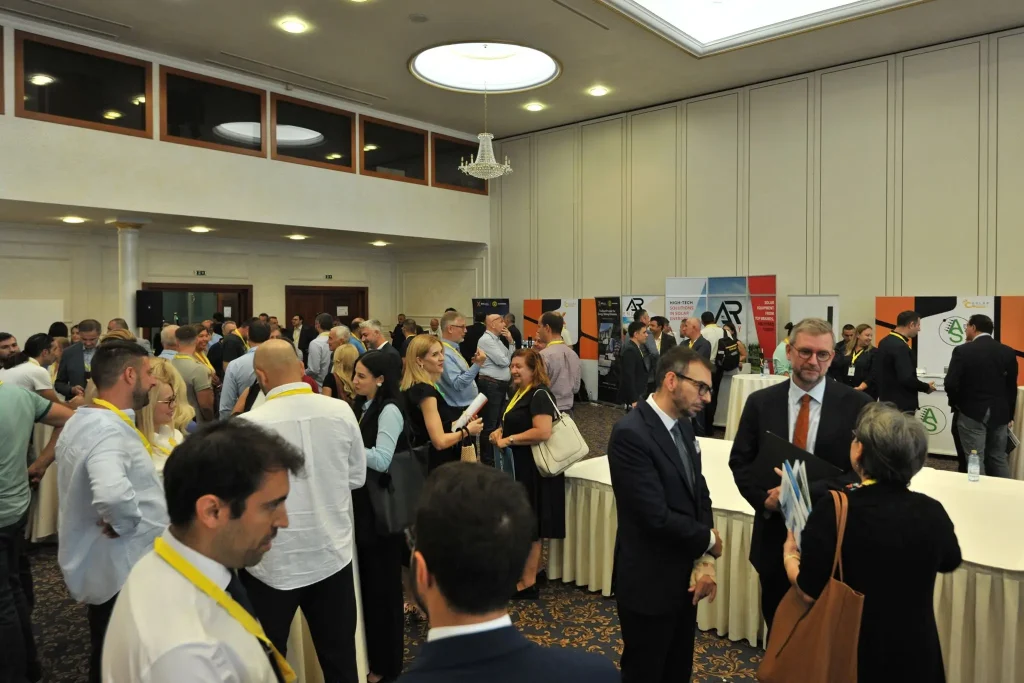
Over time, as interest continued to grow, MAXSOL EXPO developed into an independent trade fair, while the Annual Solar Conference became one of the most important professional events in the region. The possibility of reconnecting the two events is also being considered.
The most recent edition of the trade fair brought together more than 35 exhibitors from the Balkans and the wider region, while the conference attracted more than 270 participants from 12 countries. This confirms its regional recognition and importance.
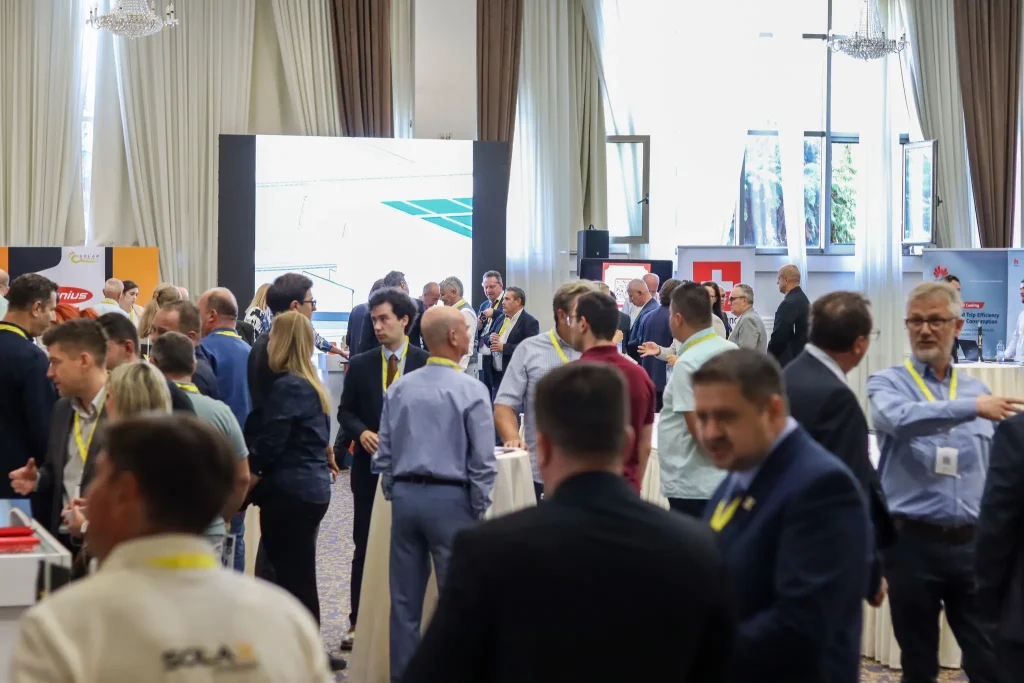
Each year, the conference programme is designed in accordance with the current needs of companies and the challenges facing the energy sector.
Topics are selected through direct communication with our members and cover legislation, new technologies, financial mechanisms, market trends and practical solutions for the development of renewable energy.
The fifth Annual Solar Conference will be held on 23 and 24 September 2026 at the Aleksandar Palace Hotel.
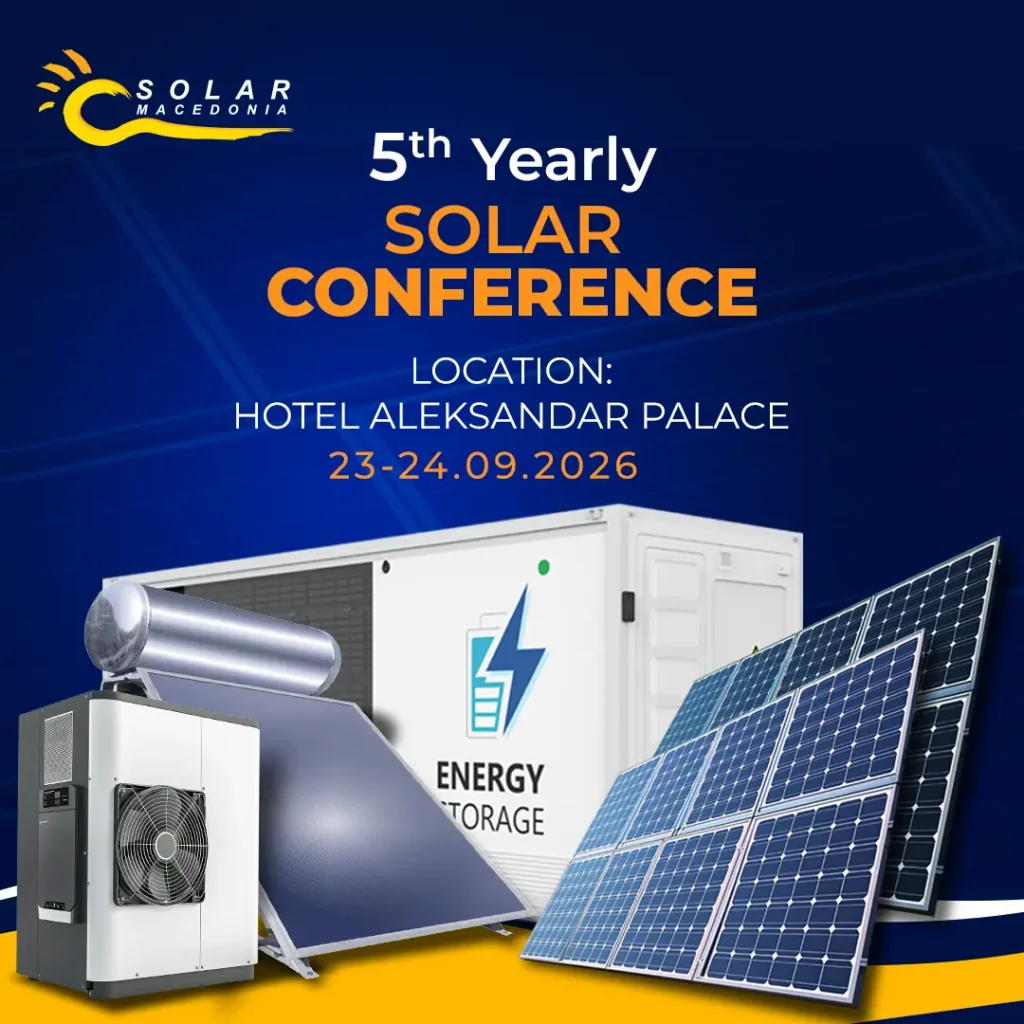
Tickets for the event can be purchased through our website or obtained by renewing association membership, which includes admission tickets.
The event will provide a comprehensive overview of current developments in the energy sector, discussions on future policies, and presentations of innovative technologies and solutions that can contribute to a more efficient and sustainable energy transition.
Alongside the conference programme, domestic and international companies will hold commercial presentations showcasing their latest products, technologies and services.
Participants will also have an opportunity to obtain information and register directly for international trade fairs, conferences, training programmes and professional visits organized by Solar Macedonia in cooperation with its partners.
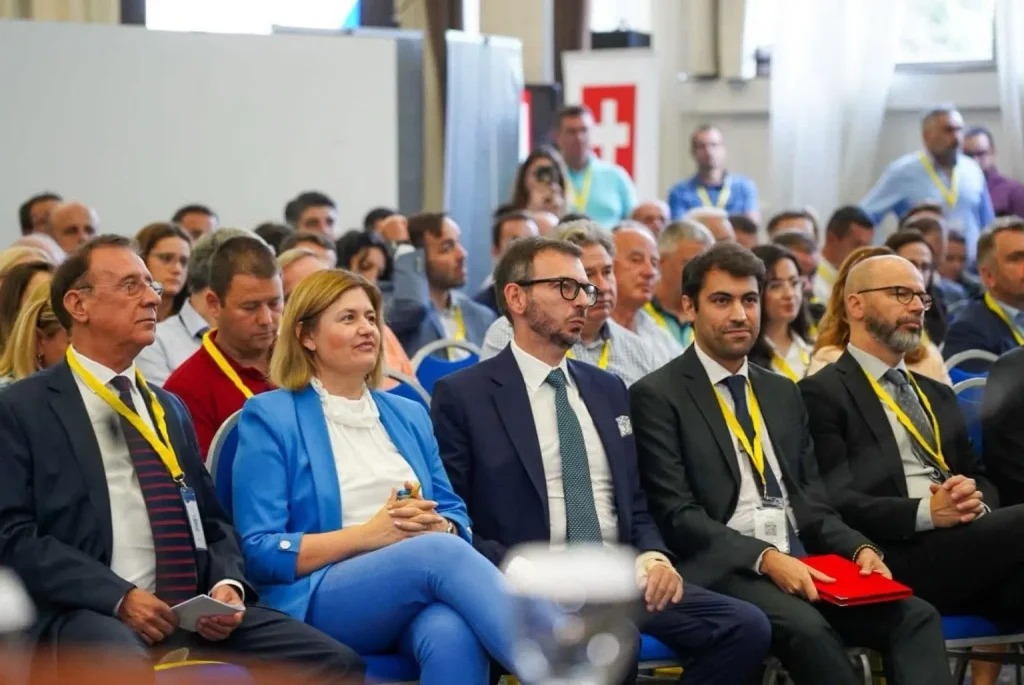
For example, companies will be able to register for business delegations to leading European trade fairs such as KEY – The Energy Transition Expo in Rimini, Intersolar Europe in 2027 and EIF, which will be held in 2026.
As part of these activities, specialised technical training programmes have already been arranged with leading global manufacturers of solar equipment. This will give companies an opportunity to learn directly about the latest technologies, enhance their technical knowledge and establish new business contacts with international partners.
In addition to the conference, you organise training programmes, trade fairs and international business delegations. What specific benefits do companies and professionals receive by joining the association?
One of the priorities of the Macedonian Solar Association is the internationalization of domestic companies and the improvement of the quality of their work.
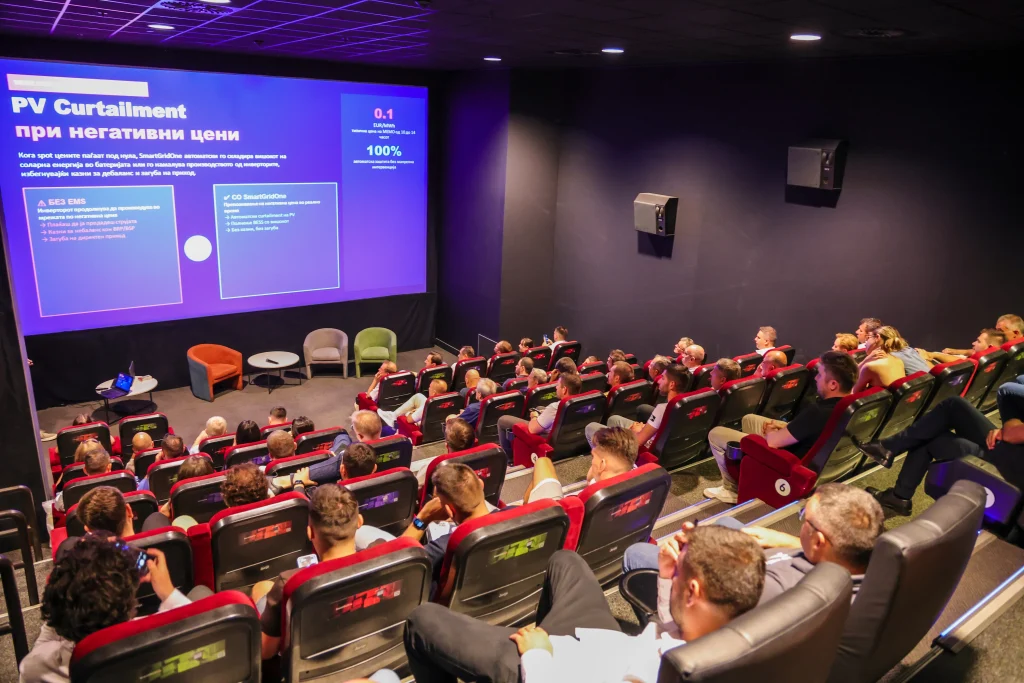
To achieve this, we have established strategic partnerships with several leading European trade fairs and organizations in the renewable energy sector. Discussions are also under way to expand this cooperation to include partners outside Europe.
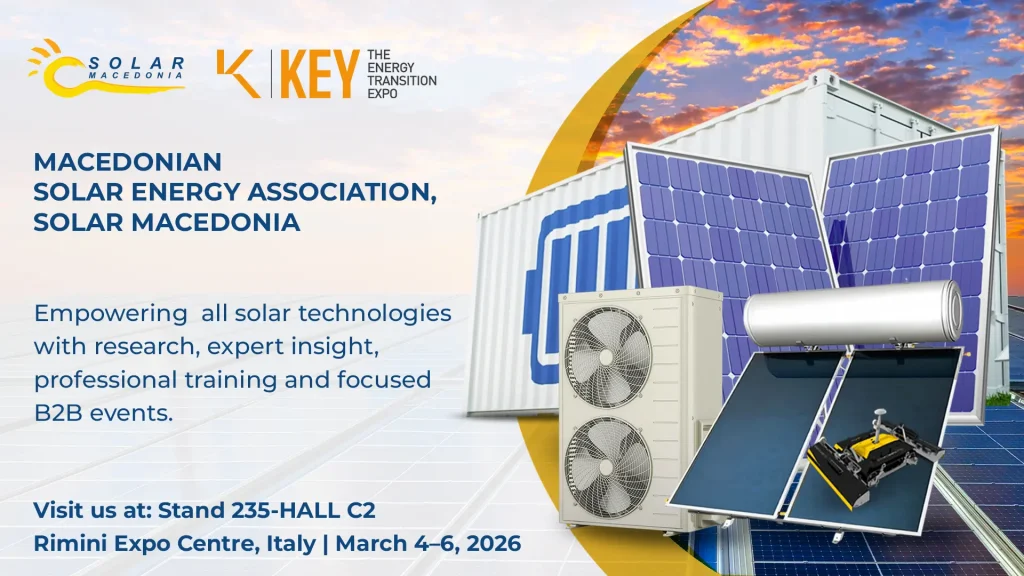
Through these partnerships, we organise business delegation visits for our member companies and provide opportunities for joint participation in international trade fairs through national or association stands.
This model enables companies to present their products, services and technical solutions to an international audience, establish new business contacts and explore opportunities for exports and international cooperation.
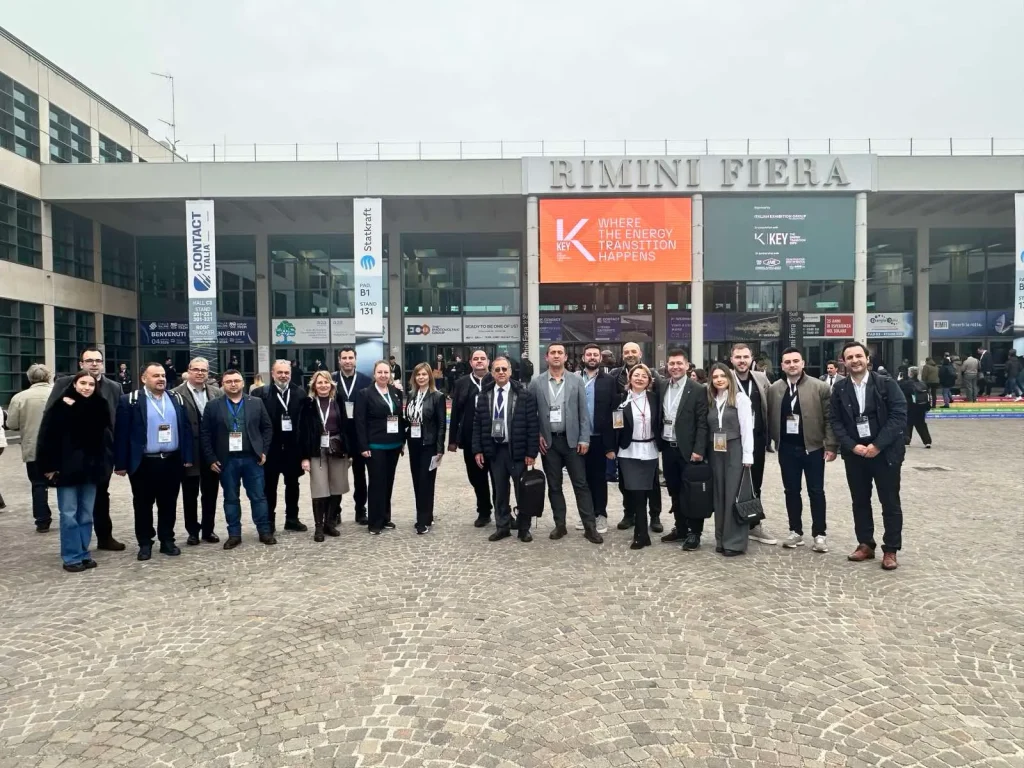
I would particularly highlight our strategic partnership with KEY – The Energy Transition Expo in Rimini, Italy. For several years, the organiser of this event has also been a strategic partner of our Annual Solar Conference.
We have also established successful cooperation with Intersolar Europe in Munich, where we organize business delegation visits for our member companies, as well as with EIF – Energy Is Future, one of Türkiye’s most important renewable energy trade fairs, where the association will also be actively present in November 2027.
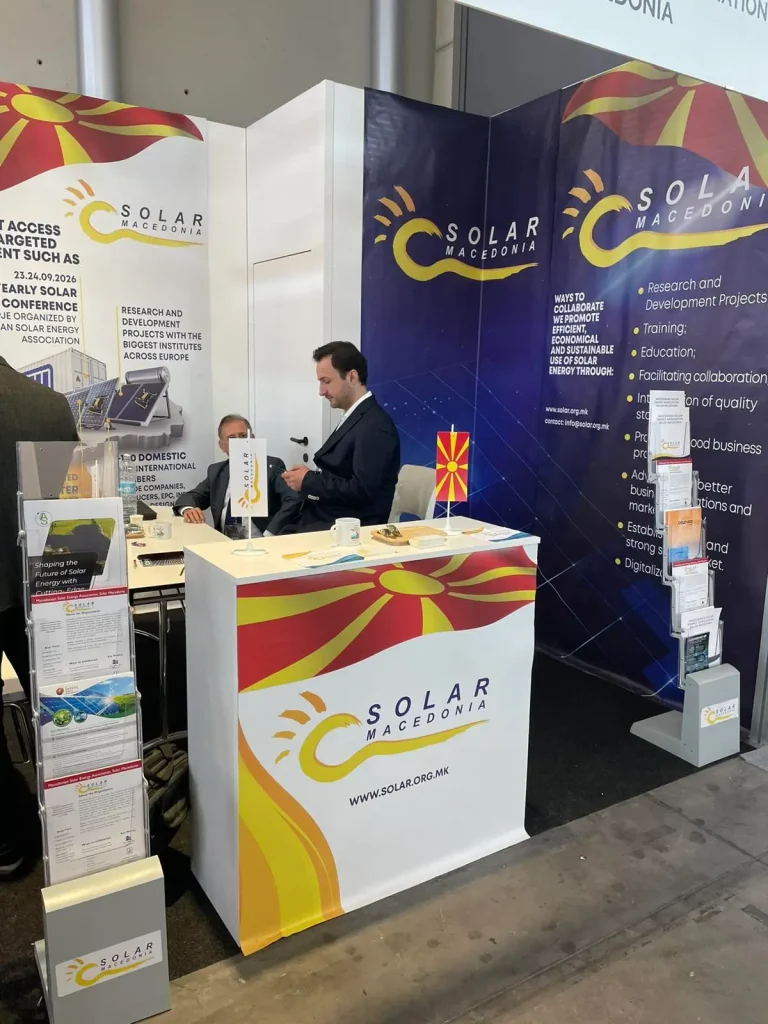
Our business delegation visits are most often organised together with delegations from the Western Balkan countries, creating additional opportunities for networking and establishing regional partnerships.
In addition to visiting trade fairs, member companies have opportunities to meet related companies from the region during joint lunches, coffee breaks and organised B2B meetings, exchange experiences and discuss current challenges and opportunities in the sector.
Organised group visits are not only an opportunity to follow the latest technologies and trends, but also a platform for exchanging knowledge, ideas and good practices among the members themselves.
This approach helps strengthen cooperation, initiate joint projects and create new business partnerships at both regional and international levels.
In addition to its trade fair partnerships, the Macedonian Solar Association cooperates with some of the world’s most renowned organisers of professional conferences and events.
These include Solarplaza, where we regularly participate as an industry partner at its conferences in the Western Balkans, and RE+ Events, one of the world’s best-known organisations for clean energy conferences and trade fairs.
Our members have participated in these events as panellists, networking participants and visitors, presenting the latest information from our sector and exploring opportunities for new cooperation.
In addition to cooperating with international organisations and trade fairs, the Macedonian Solar Association has established partnerships with leading specialised international media outlets, including PV Europe and PV Magazine. Through these partnerships, we successfully promote the current state and development of the solar sector in North Macedonia.
These media partnerships have given our member companies and experts opportunities to provide interviews and professional commentary on current trends, challenges and the potential of the domestic market, presenting North Macedonia to the international professional community.
To date, more than seven different domestic experts have participated in these interviews, contributing to the greater visibility of the national solar sector and promoting local knowledge and experience.
I would also like to express my gratitude to the editorial team of Energy & Climate Index, which has provided us with additional space to present current developments, development policies and opportunities in North Macedonia’s energy sector.
Thanks to such media partnerships, North Macedonia has been recognised as an interesting and relevant market by international audiences, while our experts have gained an opportunity to participate actively in the global discussion on the energy transition and renewable energy development.
These international partnerships create significant added value for our members. They receive access to the latest technological developments, information on European and regional regulations, opportunities for professional networking and business partnerships, and direct contact with leading manufacturers, investors and energy companies.
In this way, we contribute to increasing the competitiveness of domestic companies and supporting their more successful integration into the international market.
Prof. Dimitrov, North Macedonia has recorded rapid growth in photovoltaic capacity. Has this market development been accompanied by sufficiently high-quality equipment, professional system design, installation and maintenance?
Although photovoltaic systems may appear relatively simple to design and install, they involve numerous technical requirements, standards and good engineering practices that must be consistently observed.
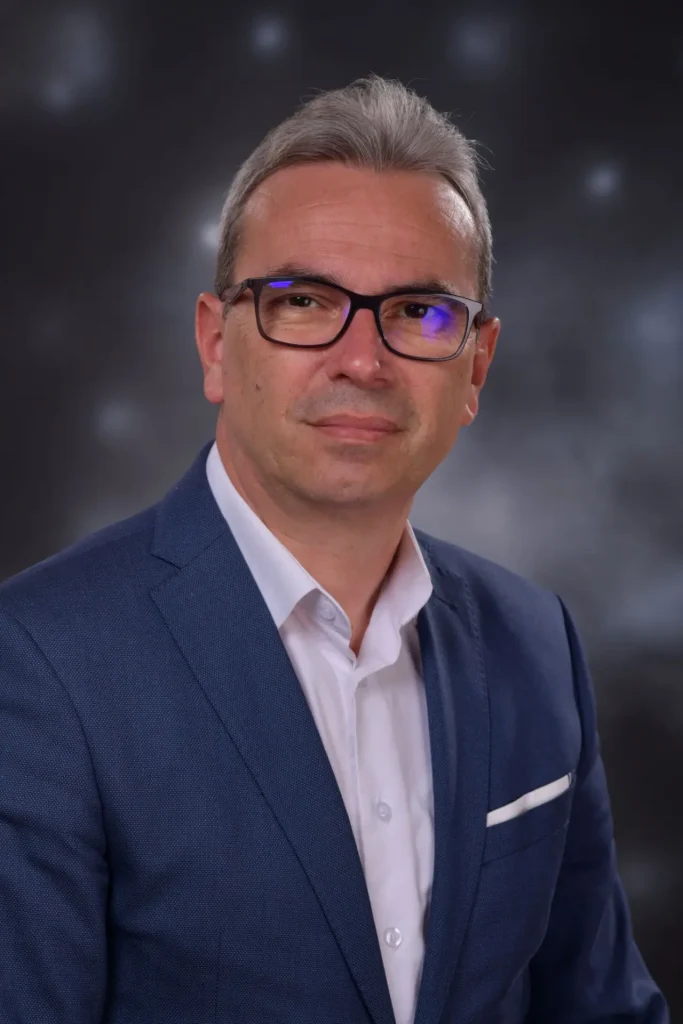
Based on my own professional experience, I can confirm that the proper operation and long-term safety of systems installed by installers or companies without adequate training and experience cannot be guaranteed.
The dramatic increase in electricity prices in 2022 forced companies to seek rapid solutions for reducing their costs. For many, the most cost-effective solution was to install photovoltaic systems for their own electricity generation.
As a result, demand for designers and contractors increased sharply, while project implementation deadlines were short. Consequently, a large number of insufficiently prepared companies entered the market with limited knowledge of system design, installation and the applicable legal framework.
In many cases, neither basic engineering principles nor the regulations in force were properly observed.
The consequences of this approach are clearly visible today. Some photovoltaic power plants generate significantly less electricity than expected, while others have suffered serious damage from fires or recent extreme weather events.
There are also installations incorporating low-quality or improperly selected equipment, which could represent a serious risk in the future.
Although photovoltaic systems generally do not require intensive maintenance, this does not mean that they can be left without supervision.
Continuous operational monitoring, timely detection of anomalies, regular inspections and the implementation of preventive measures are essential to ensuring their reliability, safety and long operating life.
I therefore recommend that owners of existing photovoltaic power plants conduct professional technical audits of their systems so that potential deficiencies can be identified and addressed in a timely manner.
I also recommend that future investors do not base their decisions exclusively on the lowest price. Instead, they should select experienced designers and contractors with proven references, because a properly designed and installed photovoltaic system is an investment that should operate safely and reliably for more than 30 years.
What are the greatest challenges facing the solar sector today: the electricity grid, regulation, the shortage of qualified personnel, energy storage or access to financing?
We must accept once and for all that the electricity sector has already undergone a fundamental transformation and that the energy transition will intensify further in the coming years.
This entails the closure of coal-fired power plants within a relatively short period, while an increasing share of the required electricity will be supplied by renewable energy sources and natural gas-fired power plants.
Because of the variable nature of renewable energy, the development of electricity storage systems is not merely desirable but an essential component of the future electricity system.
The submitted initiatives and approved annual plans demonstrate exceptionally strong interest among private investors in constructing new generation capacity, primarily photovoltaic and wind power plants, accompanied by both co-located and standalone battery energy storage systems.
This trend is positive for North Macedonia because increased competition will help maintain competitive and affordable electricity prices without requiring the state to invest directly in these facilities.
Provided that a stable and predictable legal framework is established and supported by efficient and transparent procedures, there is no reason why financing for these projects should be called into question.
Electricity consumption is expected to continue increasing, further confirming the economic viability of such investments.
The successful integration of these new generation and storage facilities will require significant reinforcement, modernisation and digitalisation of the electricity grid, particularly the transmission system.
For this reason, the Electricity Grid Development Master Plan is currently being prepared. Its objective is to create the conditions required to connect all new generators and storage systems while ensuring the secure and stable operation of the electricity system.
All these processes will create significant demand for highly educated and qualified professionals in the field of electrical power engineering.
Electrical engineers will need to continuously upgrade their knowledge to respond to emerging power-sector challenges.
Supporting education in electrical power engineering in North Macedonia will be one of the key prerequisites for a successful, sustainable and just energy transition.
Prof. Nasov, after two decades of work, what do you consider Solar Macedonia’s greatest achievement, and where would you like the association to be in the next five years?
Since its establishment, the Macedonian Solar Association has sought through its activities to contribute to increasing the use of solar energy in North Macedonia by implementing the wide range of activities described above.
The association’s future prospects and its development in the coming period are, of course, extremely important.
Ensuring the association’s self-sustainability is one of our principal objectives and commitments for the coming period. We intend to achieve this by applying for European and domestic projects while continuing to improve and expand our existing activities, including education, training, projects, trade fairs and conferences.
We also see the association’s self-sustainability being strengthened through additional activities and the establishment of expert working groups and committees in several areas:
- A group of legal experts who can participate in drafting legislation and secondary legislation in the field of solar energy, including incentives, subsidies and obligations based on European criteria for product quality, safety and guarantees.
- A group responsible for monitoring calls for applications on a daily basis and supporting participation in national, cross-border, international and European projects, including educational, professional, research and development projects. Our association already has extensive experience in this type of project, working alongside some of Europe’s largest institutions, institutes and experts.
- A group responsible for cooperation with university centres, training centres, faculties and institutes, particularly in the field of solar energy.
- A group responsible for international cooperation not only with solar associations, but also with associations and clubs representing business communities, particularly in the field of solar energy.
- Continued support for members through the organisation of professional workshops, software and application training, and presentations of the latest technologies and systems for the use of solar energy.
Interview was conducted by Viktor Andonov, M.Sc