

The Bulgarian electricity system is already operating according to the new logic of the energy transition. Hourly data from the Electricity System Operator show how photovoltaic power plants become the dominant source during the day, while batteries take on the role of storage and evening system flexibility.
On 16 June 2026, at 10:14, photovoltaic power plants in Bulgaria produced 2,985 MW, or 48.83% of the real-time generation mix. At the same time, battery energy storage systems were charging with 548 MW.
This is the first half of the new electricity system model: when the sun produces large amounts of low-cost electricity, part of that energy is not lost and does not only create pressure on prices. Instead, it is stored in batteries.


Solar Dominates During the Day
The daytime balance shows how quickly the role of conventional sources is changing. In the observed hour, the nuclear power plant delivered 1,702 MW, but photovoltaic power plants were clearly the largest source, with almost 3 GW of generation.
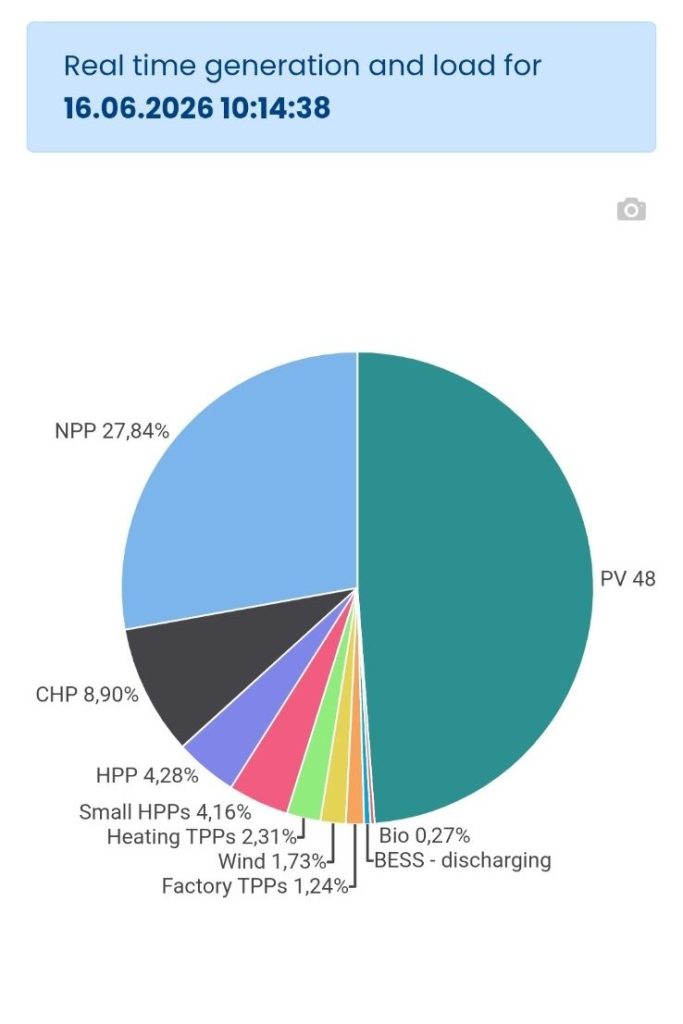
Hydropower plants contributed 262 MW at the same moment, small hydropower plants 254 MW, wind power plants 106 MW, and combined heat and power plants 544 MW.
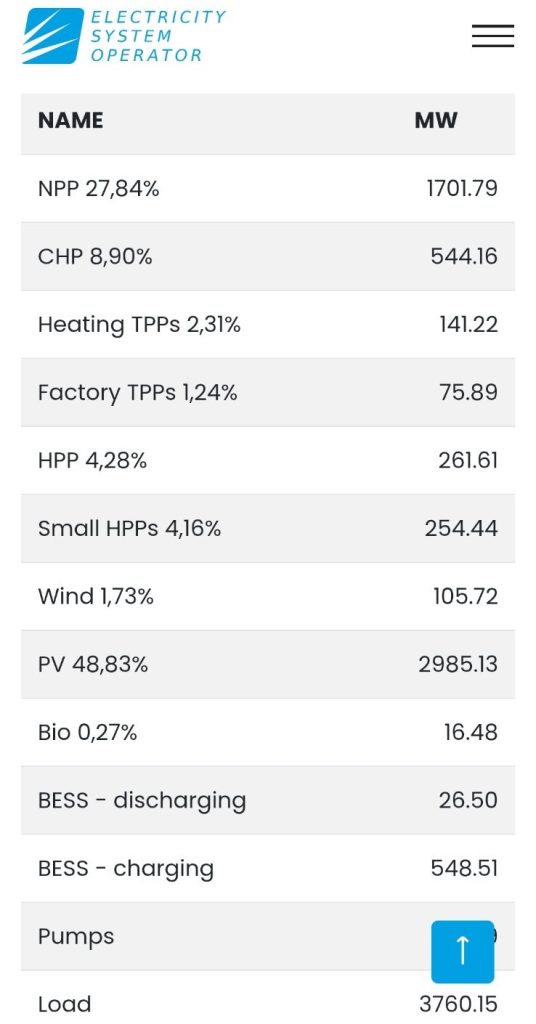
However, the most important figure is that batteries were not discharging, but charging. This means that the system already has a mechanism to shift electricity from daytime hours to the evening peak.
In the Evening, Batteries Take Over the Role of a Flexible Source
The second image shows the other side of the same process. In the evening hour, when photovoltaic generation was 0 MW, batteries delivered 1,534 MW to the grid.
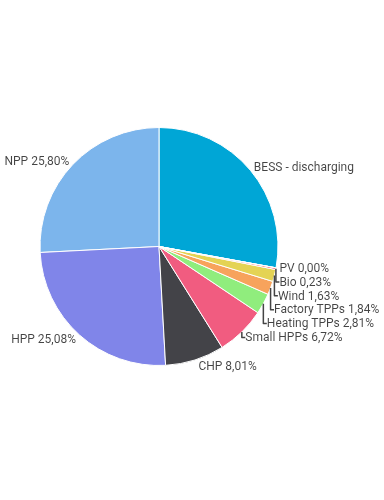
At the same moment, the nuclear power plant contributed 1,420 MW, while large hydropower plants delivered 1,380 MW. This means that batteries were one of the largest individual sources in the system during that hour.
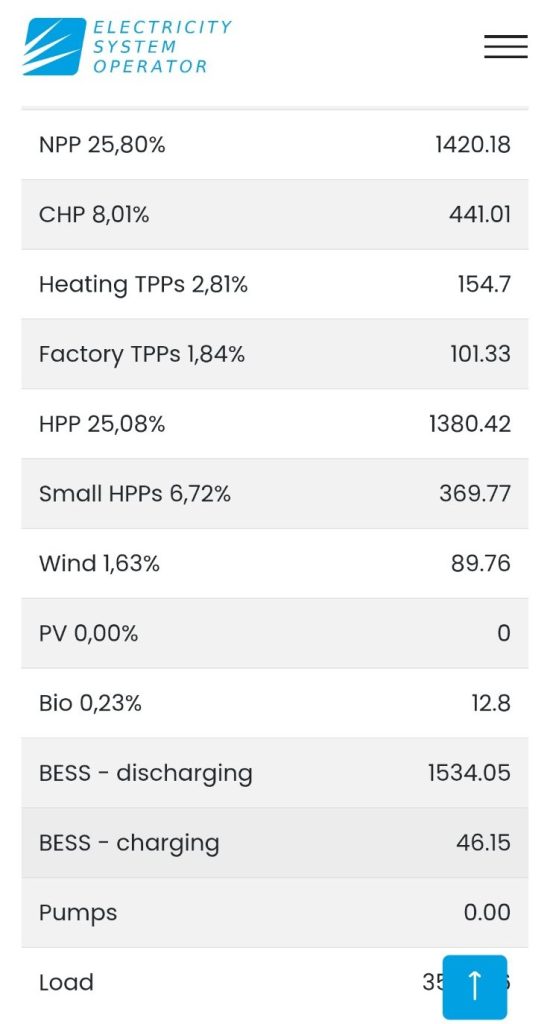
This is the essential change: batteries are no longer just a technical addition to renewable energy sources. They are becoming an operational resource for the system, with a role similar to hydropower plants, gas-fired power plants or pumped-storage facilities.
This is expected having in consideration that Bulgaria is among the top countries in the World with installed BESS capacity.
The New Market Logic: Storage Instead of Curtailing Cheap Energy
The Bulgarian example clearly shows what the next phase of the energy transition looks like. The first phase was the construction of large solar capacity. The second phase is the integration of batteries. The third phase will be market flexibility, where batteries, hydropower plants, traders and consumers work together to balance the system hour by hour.
This model also changes the economics of the electricity market. Low-cost daytime electricity gains value because it can be stored. Evening hours receive a new source of supply. The system becomes more flexible, while renewable energy sources become easier to integrate.
On 16 June 2026, at 10:14, photovoltaic power plants in Bulgaria produced 2,985 MW, or 48.83% of the real-time generation mix. At the same time, battery energy storage systems were charging with 548 MW.
This is the first half of the new electricity system model: when the sun produces large amounts of low-cost electricity, part of that energy is not lost and does not only create pressure on prices. Instead, it is stored in batteries.
Storage Is the New Reality
Bulgaria is already showing how an electricity system with a high share of renewables will operate: solar dominates during the day, batteries charge, and in the evening batteries return the stored electricity to the grid.
This is the new reality of the energy transition. It is no longer enough to produce electricity when the sun is shining. The key question is whether the system can store that energy and use it when it is needed most.
In that logic, batteries are not a secondary element. They are becoming one of the main pillars of the new electricity system.
Viktor Andonov, M.Sc