

We continue our series of interviews with relevant representatives of the energy sector in the region. This time, the focus is on Serbia and one of the most important issues for the future development of renewables: the connection of new wind and solar projects to the grid.
Serbia is entering a critical phase of its energy transition, after new grid connection studies for variable renewable energy projects were postponed until the 2029–2030 period. This decision has opened a serious debate over whether it is a necessary measure to protect system stability, or a signal that the grid, regulation and administration are not keeping pace with investor interest.
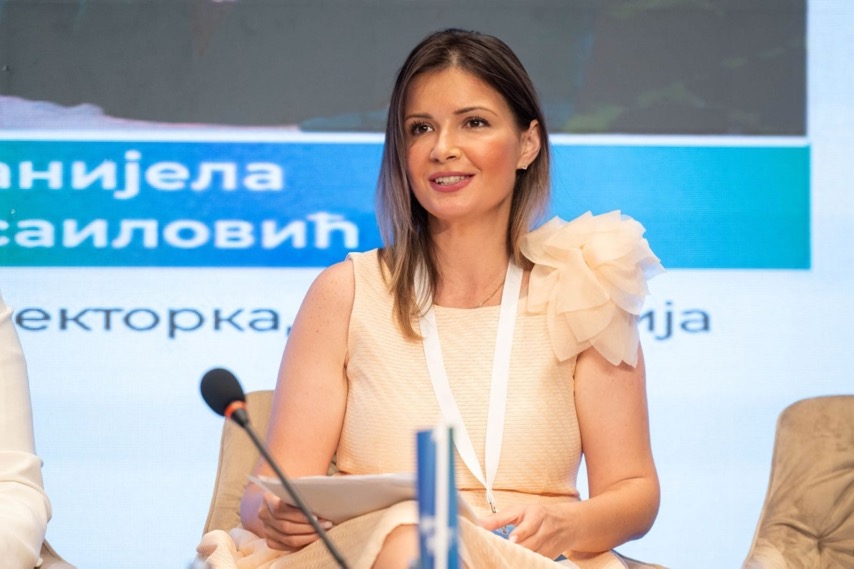
In an interview with Energy and Climate Index, Danijela Isailović, Manager of RES Serbia, warns that this decision effectively halts the development of new renewable energy projects and could push their realization toward the mid-2030s.


As a representative of an association that brings together companies directly investing, developing projects and experiencing the challenges on the ground, Isailović discusses limited grid capacity, slow administrative procedures, the risk of bank guarantees being activated, and the problem of “phantom projects” that reserve capacity without a genuine intention to build.
This issue is important beyond Serbia, as similar challenges are gradually emerging in other Western Balkan countries.
The rapid growth of interest in solar and wind projects increasingly raises the question of whether grids, institutions and regulation are prepared to keep pace with the energy transition.
Serbia’s experience can therefore serve as a warning for the entire region: without timely investment in the grid, more efficient administration and clear rules for serious investors, renewables can become stuck not because of a lack of interest, but because of systemic constraints.
Read the full interview at the following link.
ECI