

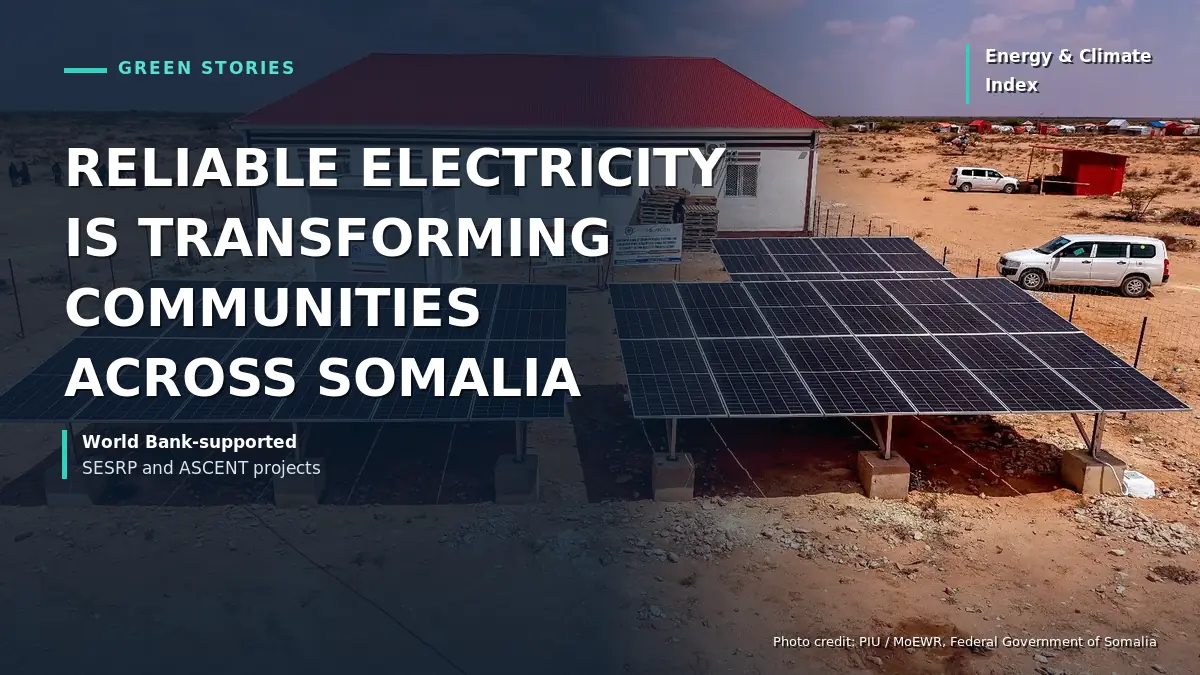
Nearly 7 million people are gaining improved access to electricity, while 205 health facilities and 380 schools are receiving more reliable energy services
When Faiza Abdirahman Ibrahim arrived at the Suuqa Xoolaha Health and Maternity Centre in Baidoa, her only concern was the safe delivery of her baby. What followed showed how important reliable electricity can be for healthcare.
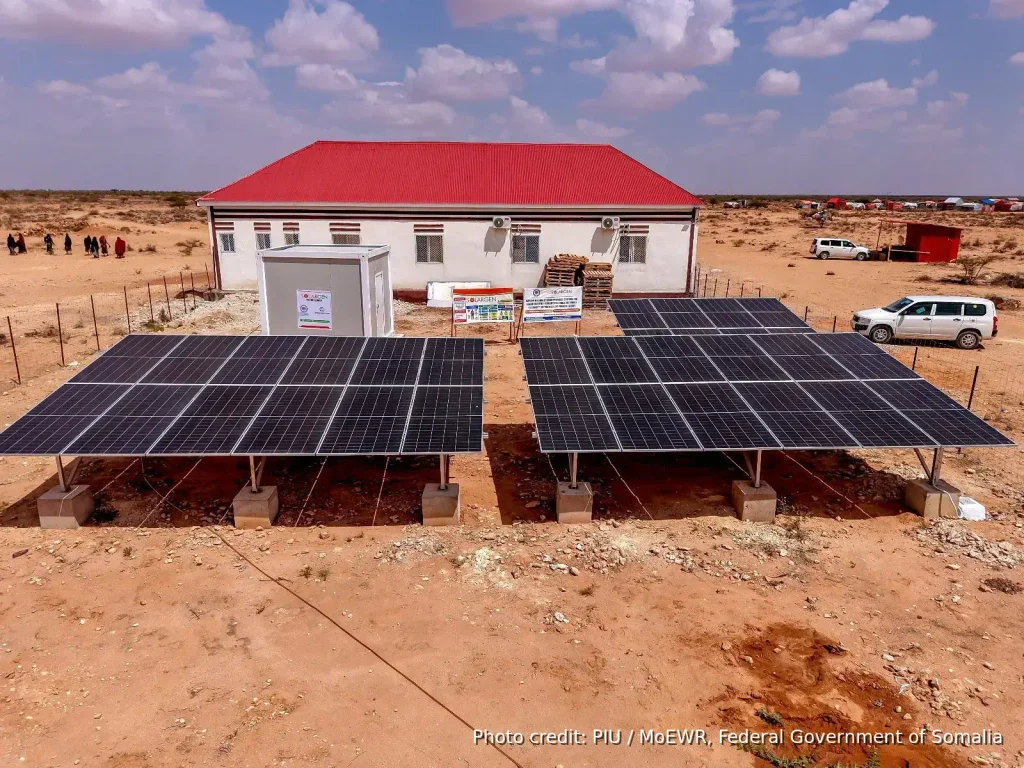
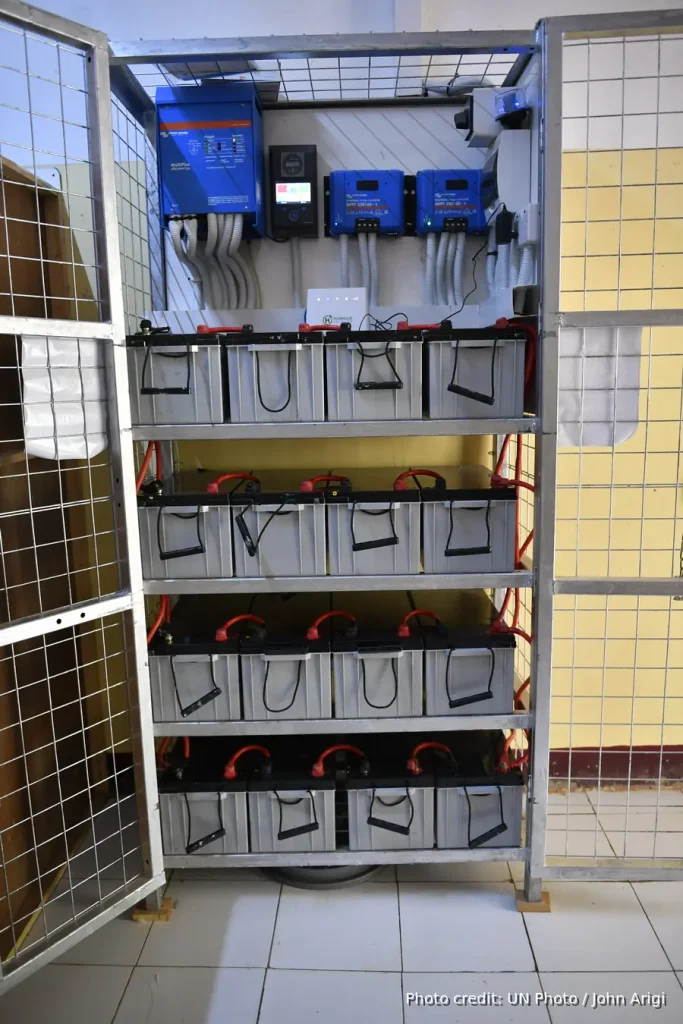
The centre’s solar electricity supply remained available throughout the night. Medical staff were able to use the necessary equipment and supplies without interruption, helping ensure safer conditions during childbirth.
Her experience is part of a broader transformation taking place across Somalia. Improved access to electricity is enabling health facilities to provide more dependable care, schools to create better learning conditions, and local businesses to extend their operating hours and create new employment opportunities.


Nearly 7 million people covered by improved energy services
According to the World Bank, approximately 1.1 million households across Somalia are benefiting from improved electricity access and services.
This is equivalent to nearly 7 million people, including approximately 3.5 million women.
Improved energy services are also supporting:
- 205 health facilities;
- 380 schools;
- households, local businesses and public institutions.
The investments are being implemented through two World Bank Group-financed projects: the Somali Electricity Sector Recovery Project, or SESRP, and Accelerating Sustainable and Clean Energy Access Transformation in Somalia, or ASCENT.
The projects aim to expand access to cleaner and more reliable electricity, strengthen Somalia’s power sector and improve energy services for households, businesses and public institutions.
Electricity as an essential part of healthcare
In health facilities, reliable electricity means far more than keeping the lights on.
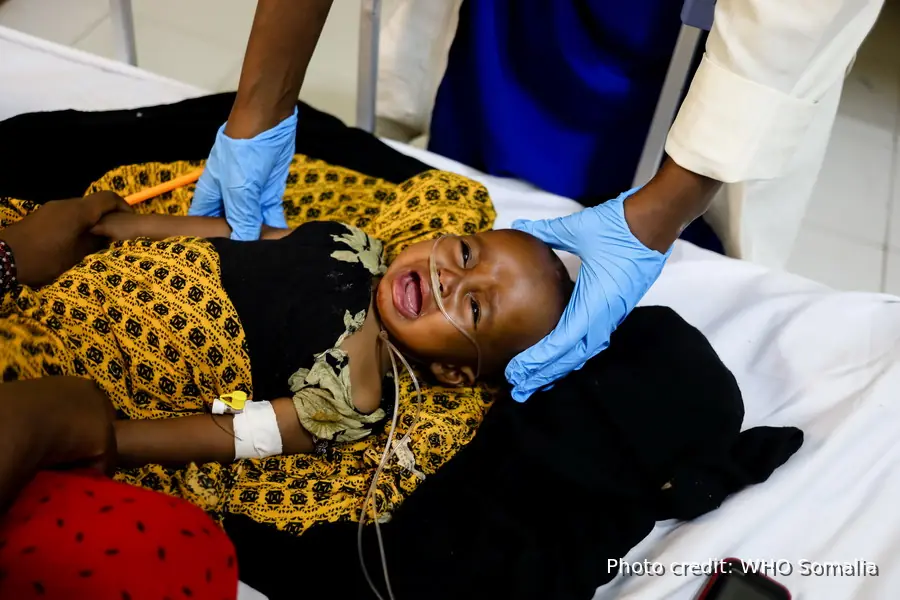
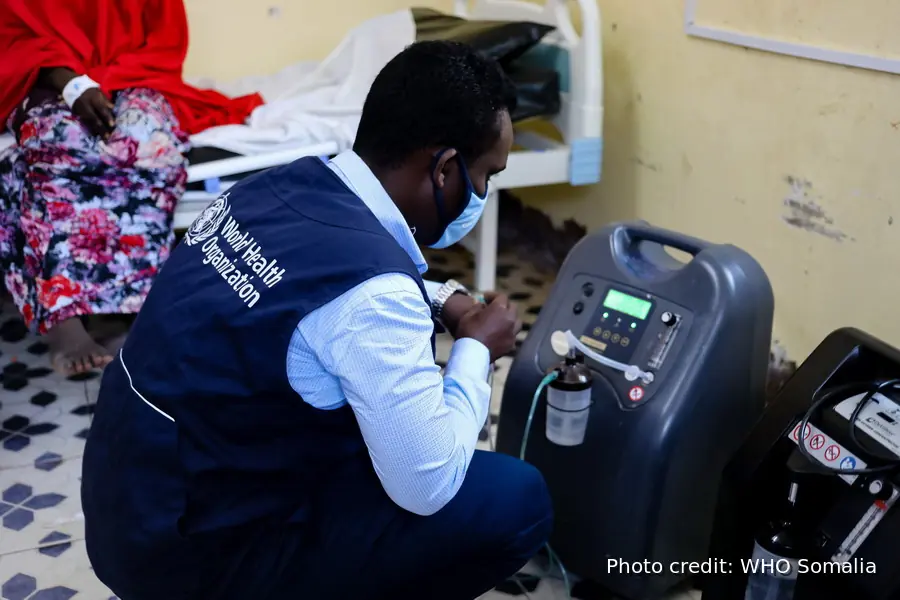
It enables medical equipment and emergency services to operate, supports vaccine cold chains and creates safer conditions for maternal healthcare. It also improves working conditions for medical staff and patient comfort, particularly during periods of extreme heat.
In Jubaland, patients and their families previously sometimes had to wait until daylight to receive medical care. With electricity now available, hospital services can be provided both during the day and at night.
At Goobweyn District Hospital, dependable lighting helps healthcare workers see and access the equipment and supplies required during childbirth. At Balcad District Hospital, improved electricity services allow some surgical procedures to be carried out locally, without patients having to be transferred elsewhere.
Supporting schools, businesses and jobs
The benefits extend beyond the health sector.
More reliable and affordable electricity allows businesses to operate for longer hours, lower production costs and provide better services. It creates opportunities for companies to expand their activities and generate new jobs.
Electricity is also improving conditions in schools and strengthening public services in communities that have long experienced limited or unreliable power supplies.
Significant challenges, however, remain. Energy access surveys show that many households still receive electricity for only a limited number of hours.
Affordability is another major concern. Nearly 70% of households spend at least 5% of their total expenditure on electricity.
Part of a wider mission to electrify Africa
The projects in Somalia also contribute to Mission 300, a partnership between the World Bank Group and the African Development Bank Group.
The initiative aims to connect 300 million people in Sub-Saharan Africa to electricity by 2030.
The stories emerging from maternity wards, hospitals, schools and local businesses across Somalia demonstrate why this goal matters. Reliable electricity is not simply about illuminated buildings. It means medical care being available when it is needed, safer childbirth, properly preserved vaccines, better education and more opportunities for work.
For these communities, the energy transition is no longer only about technology. It is becoming a matter of health, dignity and new opportunities in life.
ECI