

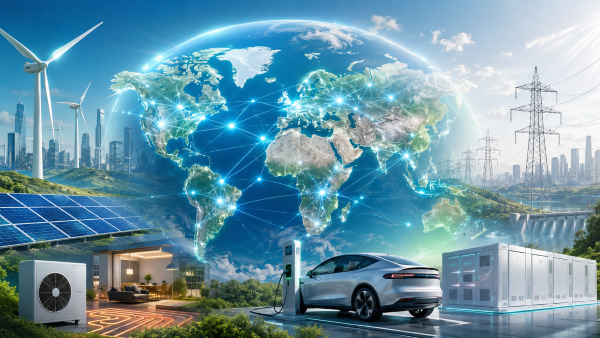
Electrification is becoming one of the main topics of the next global climate summit. Turkey and Australia will seek support for a new global target. By 2035, electricity should cover 35% of global final energy consumption.
Today, electricity covers slightly more than 20% of global energy demand. The rest still mainly comes from oil, gas and coal. Therefore, the new target sends a clear message. The world needs to replace the direct use of fossil fuels with electricity much faster.
This applies especially to transport, heating, industry and buildings. However, electrification alone is not enough. It delivers climate benefits only if electricity generation is rapidly decarbonized.


Electrification as Protection from Expensive Fossil Fuels
Turkish Environment Minister Murat Kurum, who will preside over COP31, linked the target to energy security. According to him, households and companies should be less exposed to volatile fossil fuel markets.
According to Reuters, the target will be voluntary. This means it will not be part of a formal agreement that must be approved by nearly 200 countries participating in the summit.
In practice, this means greater use of electric vehicles, heat pumps, electric industrial furnaces and battery systems. Additionally, more renewable energy sources and stronger electricity grids will be needed.
COP31 with Three Main Targets
The new COP31 agenda includes three targets by 2035. The first target is to increase electrification from slightly more than 20% to 35% of final energy demand.
The second target is to halve the growth of global waste. The third target is to reduce energy intensity in the buildings sector by at least 25%.
With this, COP31 sends a broader message. Climate policy is no longer only about producing green electricity. On the contrary, consumption, cities, industry and everyday life are moving into focus.
Editorial Office