

Serbia’s energy sector is facing one of the most demanding investment cycles in its history. Ageing thermal power plants and the country’s heavy dependence on coal, rising electricity consumption, the accelerated development of solar and wind power, the need for energy storage and grid modernization all raise the question of what Serbia’s power system will look like in the decades ahead.
At the same time, droughts, high temperatures and changing hydrological conditions show that security of supply can no longer be planned solely on the basis of past experience. Serbia needs major investment, but also a clear answer as to the sequence in which new generation capacity, the grid, battery storage systems, pumped-storage hydropower plants and other sources of flexibility should be developed.
Energy & Climate Index discussed these issues with Prof. Dr. Nikola Rajaković, President of the Association of Power Engineers of Serbia, and Dr. Ilija Batas Bjelić, Senior Research Associate at the Institute of Technical Sciences of the Serbian Academy of Sciences and Arts (SANU) and a member of the Management Board of the Association of Power Engineers of Serbia.


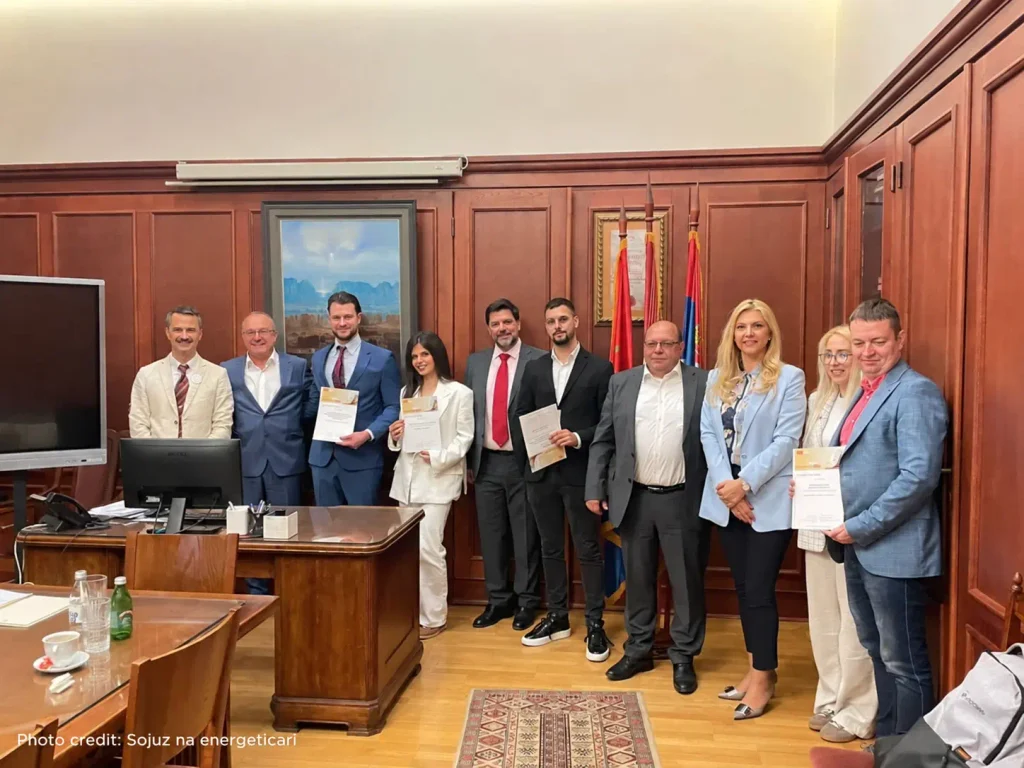
The Association of Power Engineers of Serbia is one of the country’s oldest professional organizations, with a tradition spanning more than a century. Through the international “Energetika” conference, professional publications and other activities, the Association brings together representatives from academia, the power sector, institutions and the private sector, providing a platform for the exchange of different expert views on the development of the energy sector in Serbia and the region.
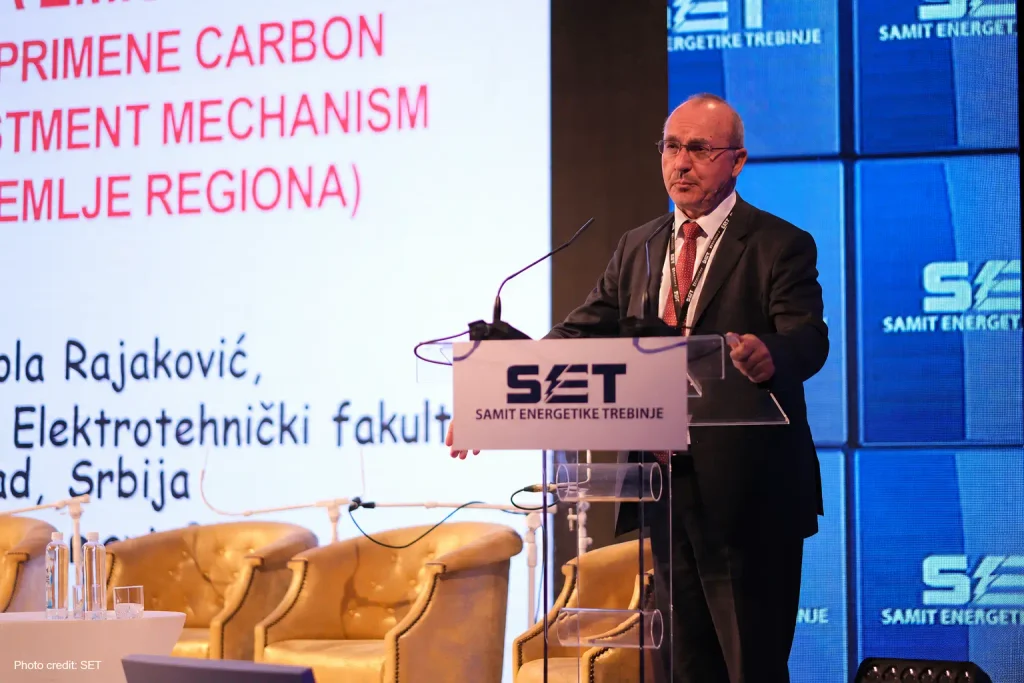
Prof. Rajakovic, you recently stated that Serbia can produce electricity without coal, but that such a transformation would require investments of $15–20 billion. What specifically should be built with these funds and over what time frame?
Too much time has been lost, and the energy transition is 20 years behind schedule. In other words, too much was invested in maintaining the existing status quo and too little in transforming the energy sector towards a more sustainable solution.
Now that the accumulated delay is coming due, a powerful investment push is needed by 2030, on a scale not seen in this region for more than 40 years. In practical terms, over a period of four years, Serbia needs to build 3–4 GW of solar and wind power, together with adequate resources to provide flexibility for variable generation. Construction of the Bistrica pumped-storage hydropower plant needs to be completed, energy-efficiency projects and citizen-energy projects need to be intensified, and the system must be digitalised.
In other words, the work that should have been completed ten years ago must now be carried out very quickly, because the costs of a delayed transition will continue to rise, including through charges related to greenhouse gas emissions.
Prof. Rajakovic, what would be a realistic and safe sequence for retiring old thermal power plants, and which sources should replace their generation without jeopardizing security of supply?
The construction of replacement capacity from renewable energy sources, adequate in terms of both power and energy output, is unavoidable.
A realistic sequence for retiring old thermal power plants must follow the pace at which replacement capacity is built, while continuously maintaining security of supply.
There are no partial solutions to this problem, because security of supply and the retirement of individual thermal power plant units need to be treated as one integrated issue. Accordingly, a national coal phase-out plan should be developed for each individual thermal power plant unit.
Prof. Rajakovic, Serbia is simultaneously accelerating the development of solar and wind power and considering the nuclear option. Is nuclear energy a necessary part of the future system, or can the transition be achieved through investment in renewables, energy storage, the grid and regional interconnections?
There is a great deal of discussion in Serbia about solar and wind power, particularly in the context of auctions. However, even more attention is being given to nuclear energy, which became one of the focal points of Serbia’s international energy cooperation during 2025.
At this point, it appears that a future energy mix based exclusively on domestic resources, water, wind, solar, biomass, geothermal potential, energy from waste and others combined with developed energy-storage technologies such as pumped-storage hydropower plants, battery storage and demand-side management, widespread use of green hydrogen technologies and stronger regional interconnections, is not an idealized vision of the energy future but a promising technological reality.
The nuclear option, therefore, is by no means excluded as an important pillar of the future energy mix. However, if solutions can be found that rely on domestic resources without the need for a nuclear power plant, then such solutions should certainly be pursued. In conclusion, introducing nuclear technologies into Serbia’s energy mix currently remains a reserve option.
Despite all financial and other challenges, Serbia’s power system is capable of maintaining a high level of security of supply, provided that coordination with neighbouring system operators is further strengthened. This should go beyond simply selling electricity to a country that lacks it at a particular moment and extend to sophisticated, optimised joint management of the regional and continental system in order to prevent and mitigate the effects of various disruptions.
Prof. Rajakovic, to what extent are droughts, low water levels and high temperatures changing the way Serbia should plan future investment in hydropower plants, thermal power plants and other generation capacity?
The sharp decline in annual hydropower generation caused by droughts by around 2 TWh in each of the past two years, from roughly 12 TWh to around 8 TWh has resulted in the need for forced electricity imports.
There are still no sufficiently clear decisions that would prevent these consequences and provide a systemic response to these adverse climate phenomena. Power utilities recognise the need for such decisions, but other competing objectives often lead to conflicting priorities.
At first glance, this conflict does not appear to be directly linked to decarbonization, although it is precisely what contributes to delaying it. The main objective function the first priority for power utilities is “capacity adequacy and ensuring supply at certain affordable regulated prices”.
This formulation contains part of the answer to the question of why, over the past five years, only 3.5% of power utilities worldwide with a fossil-fuel share exceeding 50% have carried out an energy transition and moved to a system dominated by renewables, with a share above 50%.
Droughts and unfavourable hydrological conditions create an urgent need for higher summer demand to be covered naturally by solar generation, which is another reason why solar power plants need to be introduced into the system rapidly.
Extreme weather conditions, periods of extreme rainfall as well as periods without precipitation also create a clear need for better water management, including the construction of reservoirs.
Prof. Rajakovic, what are the three most important investment and strategic decisions Serbia must make by 2030 in order to have a secure, competitive and gradually decarbonized power system during the following decade?
To achieve a sustainable energy system in the future, Serbia must first:
- address the issue of cross-border greenhouse gas emissions;
- establish an optimal plan for reducing dependence on coal;
- systematically implement the plan for introducing renewable energy sources.
A major economic and legal-regulatory challenge is the EU’s cross-border emissions charge, for which power utilities in the region do not have a systemic solution. This is why broader involvement of all stakeholders across the region is needed.
The fundamental unresolved issue, for which detailed timelines have not yet been developed, is the phase-out of coal together with a just transition.
Among the broader public, there is almost no dispute from a professional perspective that continued coal use is no longer appropriate, because technically, economically and financially better options exist, primarily involving the intensive development of renewable energy sources.
Systemic thinking and the accompanying activities of the administration should therefore be directed towards resolving the accumulated problems related to the integration of renewable energy sources.
Batas Bjelic PhD, based on energy models and hourly simulations, what could a technically feasible Serbian power mix with a significantly lower share of coal look like?
There are, in practice, a large number of technically feasible scenarios for Serbia’s electricity and overall energy mix in which coal use is reduced to a minimum.
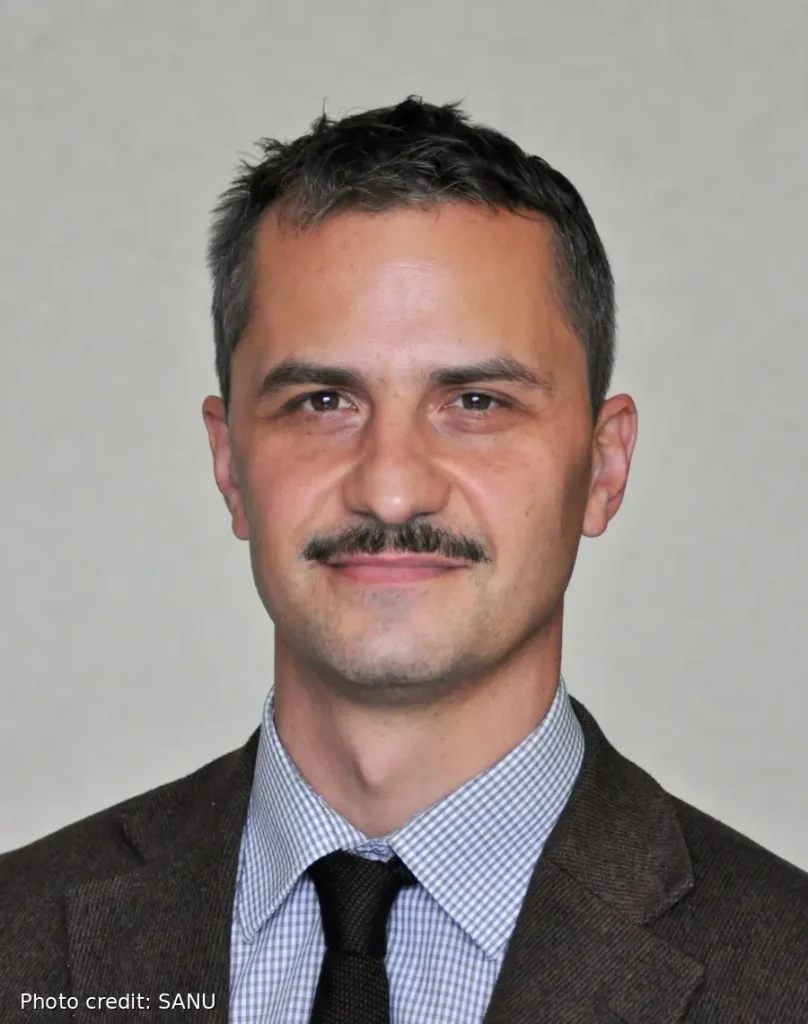
With or without simulations, there is no alternative to reducing coal use. From the perspective of modelling, reducing coal consumption should be treated as an optimisation problem aimed at finding optimal dispatch in scenarios with a significant share of variable renewable energy sources.
Batas Bjelic PhD, how much solar and wind capacity can the existing power system accommodate, and where are constraints likely to emerge first — in the transmission grid, the distribution system or due to a lack of flexibility?
In integrated planning, generation sources are optimised first, followed by the grid and flexibility options.
There are no theoretical limits on the share of renewable energy from solar and wind power that cannot be overcome through reinforcement or reconstruction of the transmission and distribution grids and the use of flexibility options. However, there are principles of optimality that need to be respected.
The existing power system can accommodate more than 5 GW of solar and wind capacity. Constraints are likely to emerge first in certain parts of the distribution network, while a lack of flexibility will also become a limiting factor.
Batas Bjelic PhD, what combination of battery storage, pumped-storage hydropower plants, demand-side management and regional electricity exchange would be optimal for Serbia? Is enough being invested in these parts of the system today?
We are still far from having sufficiently high shares of variable renewable energy sources for the system to focus primarily on storage options.
Nevertheless, the optimal combination of all flexibility resources must continuously be assessed in the context of the pace at which large renewable energy projects are being developed.
The Bistrica pumped-storage hydropower plant is under construction, battery storage systems are planned, and Đerdap 3 is also being considered as a realistic option. Demand-side management still needs to be improved, while regional interconnection infrastructure should be further strengthened.
Batas Bjelic PhD, can solar power plants combined with batteries become an important safeguard for Serbia and the region against summer demand peaks, droughts and reduced hydropower generation?
They can, and not only during summer peaks or periods of prolonged drought.
September can be taken as an example. It is generally still a warm month, and higher temperatures correlate well with electricity consumption for air conditioning.
Interestingly, statistical indicators show that annual fluctuations in hydropower generation are greater than fluctuations in solar photovoltaic and wind generation.
During August 2026, hydropower generation was significantly below average, while solar generation increased substantially across the region.
Batas Bjelic PhD, if investment continues at the current pace, what could Serbia’s power system look like in 2035, and how would it look if the development of new capacity, the grid and storage were planned systematically and in a timely manner?
Investment must accelerate and its scale must increase significantly.
However, despite all the poor decisions, we are seeing a three-digit annual growth rate in distributed photovoltaic generation, including among prosumers.
Therefore, if the transition is approached systematically and responsibly, by 2035 Serbia should have an energy mix with a significantly reduced share of coal and a higher share of electricity generated from renewable energy sources.
Is there a need for stronger links between energy experts from countries across the region through a common professional platform that would enable knowledge exchange, alignment of views and joint action, while also providing expert support to decision-makers in shaping regional energy policies?
Despite all the challenges, energy exchange and cooperation among energy experts in the region are increasing, and this should certainly be further encouraged, including through scientific conferences.
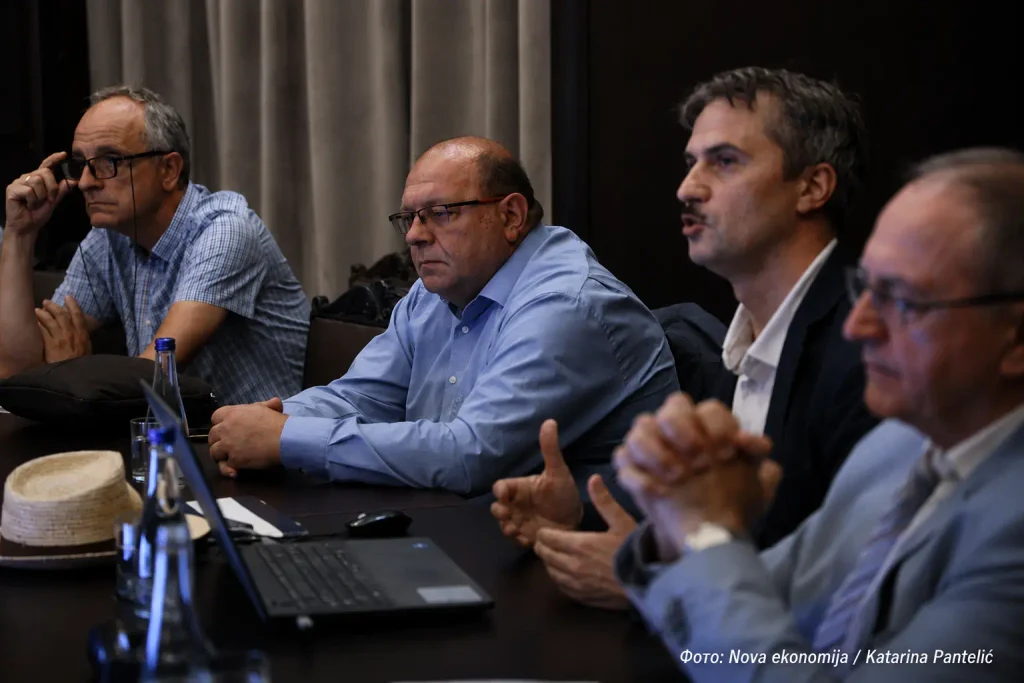
There is also a need for representatives of public administration to participate even more actively in professional conferences in order to improve the expert knowledge that is useful in their work.
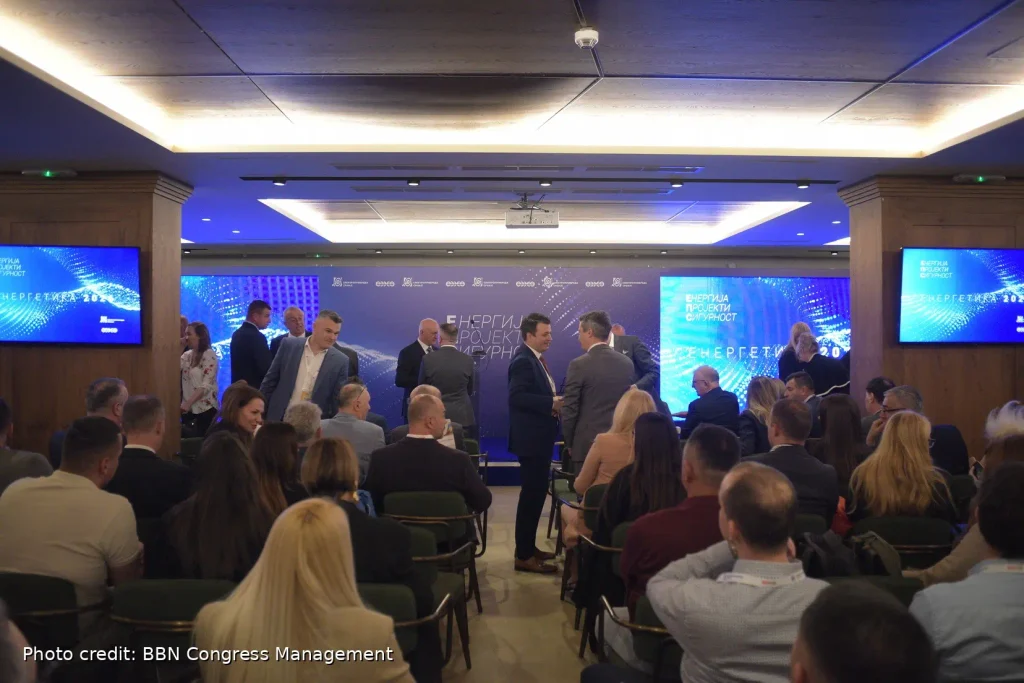
At the same time, a high-level professional and scientific conference such as “ENERGETIKA” is useful for public enterprises as well, enabling them to theoretically examine the application of each innovative idea once again before presenting projects to the public, since the Association of Power Engineers is primarily perceived as an optimistic actor capable of offering rational answers.
One possible way to overcome all these problems is the full engagement of the scientific and professional community.
Interview was conducted by Viktor Andonov, M.Sc