

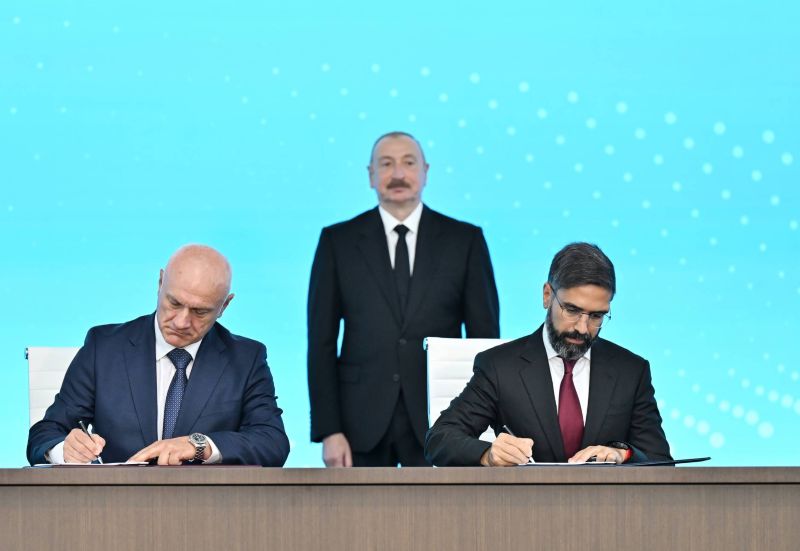
EPS and Azerbaijan’s SOCAR have signed basic terms of cooperation for a project aimed at strengthening Serbia’s energy security and the stability of its power system by 2030. The project envisages the construction of a generation facility with an installed capacity of up to 500 MW, with the goal of connecting the plant to the grid by 2030.
This is not just another gas project. For Serbia, the gas-fired power plant in Niš is expected to serve as a flexible generation facility that will help balance the system at a time when the share of renewable energy sources is growing. Serbia’s Ministry presents the project as part of energy diversification and energy security, while EPS places it within the broader context of transforming its generation portfolio.
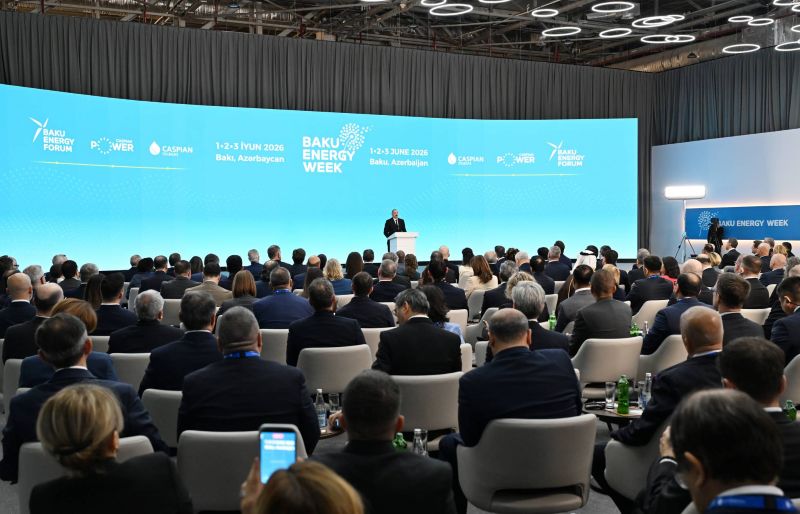
The document was signed by EPS General Director Dušan Živković and SOCAR President Rovshan Najaf during Baku Energy Week. According to Serbia’s Ministry of Mining and Energy, the project should strengthen Serbia’s energy security and contribute to the diversification of energy sources.


A Gas-Fired Power Plant as System Support
The gas-turbine power plant in Niš is presented as a strategic energy project within the framework of cooperation between Serbia and Azerbaijan. The project also envisages the establishment of a joint company, as well as the definition of the main commercial aspects for its future implementation.
In a regional context, such capacities are becoming increasingly important because power systems will need more flexible generation support. Gas-fired power plants can respond quickly to changes in electricity demand and production, especially as the share of photovoltaic and wind power plants in the system increases.
Serbia Is Changing Its Generation Structure
EPS positions the project as part of the transformation of its generation portfolio. The company states that the partnership with SOCAR should enable the development of a modern energy facility that will contribute to the long-term stability of the power system.
This is an important signal for the region: in addition to renewable energy sources, battery systems and grid investments, Western Balkan countries are still seeking flexible thermal generation capacities that can ensure security during periods of high demand or low renewable energy production.
Editorial Office