

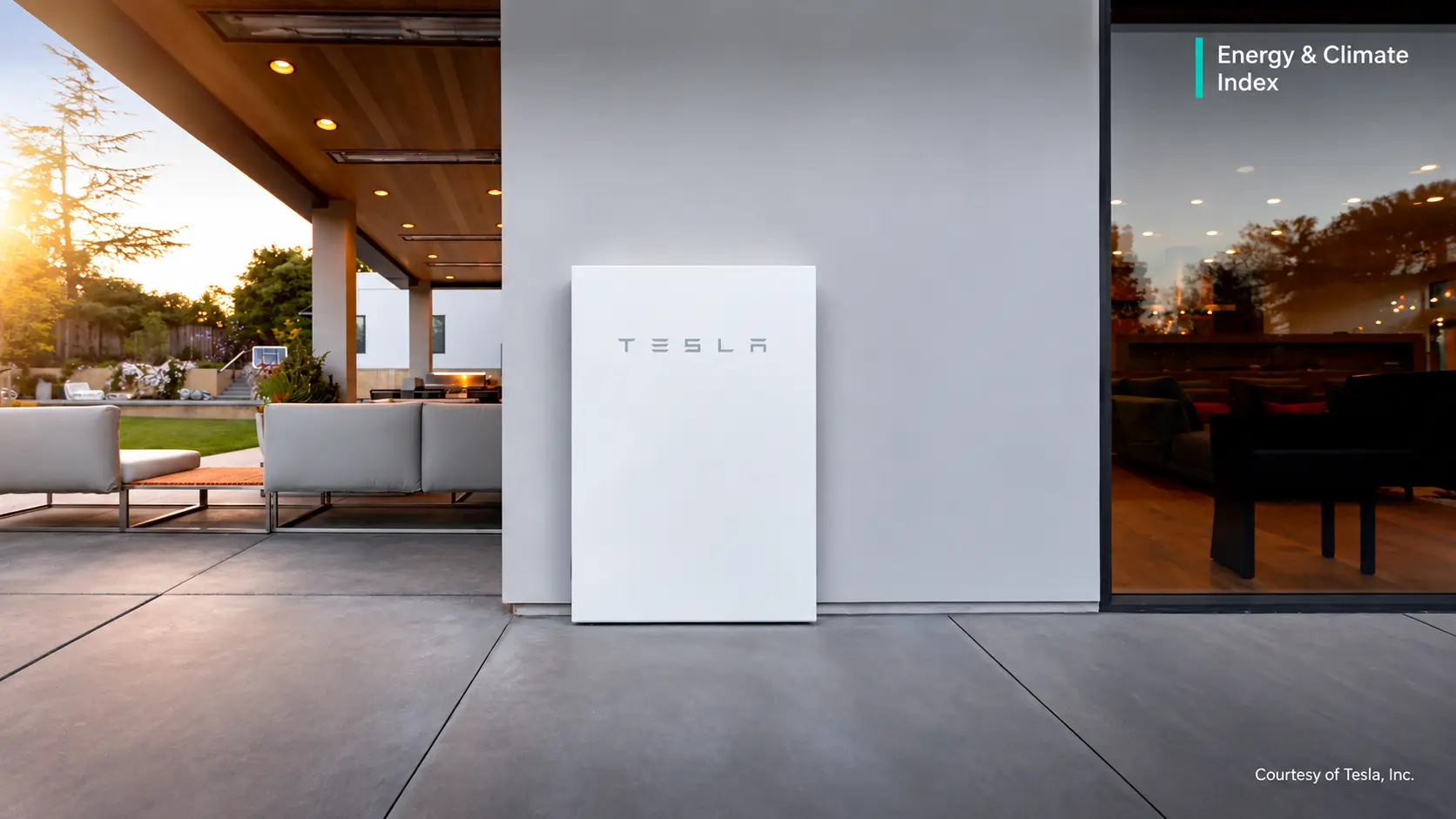
More than 140,000 home batteries coordinated by Sunrun and Tesla delivered over 580 MW to California’s electricity system during a period of high temperatures and increased power demand. The large-scale dispatch demonstrated how thousands of individual battery systems can operate together as a major virtual power plant.
580 MW from batteries distributed across homes
The batteries were dispatched on September 9 during a three-hour evening period when the electricity system was experiencing high demand and elevated power prices.
Around 110,000 Tesla Powerwall systems provided 517 MW of the total output. More than 30,000 batteries from other manufacturers in Sunrun’s portfolio supplied an additional 63 MW.


Around 55% of the Powerwall systems participating in the event were owned or managed by Sunrun.
Through coordinated control, the thousands of small batteries effectively operated as a single flexible power resource with an output comparable to that of a large power plant.
Dispatch through grid-support programmes
The batteries were coordinated through the California Energy Commission’s Demand Side Grid Support (DSGS) programme and the Emergency Load Reduction Program (ELRP), which operates within the regulatory framework of the California Public Utilities Commission.
These mechanisms allow distributed energy resources to be activated when the electricity system requires additional flexibility.
The DSGS event was triggered after the day-ahead price relevant to the programme exceeded $200/MWh.
Just one day later, on September 10, another three-hour dispatch was requested, during which Sunrun and Tesla delivered more than 140 MW.
Home batteries are becoming a power system resource
The California event demonstrates how distributed batteries can take on a much broader role than simply storing electricity for individual households.
When large numbers of systems are connected through an aggregator and managed as a single resource, they can respond to grid needs, reduce net demand during critical periods and provide additional flexibility.
California already has more than 21 GW of energy storage systems, according to the California Energy Commission, representing significant growth from less than 700 MW at the beginning of 2019.
The development of virtual power plants further expands this role. Instead of flexibility being provided exclusively by large centralised power plants or utility-scale battery facilities, part of it can come from thousands of households equipped with batteries and other distributed energy resources.
ECI