

Serbia is on track to reach at least 3.5 GW of new renewable energy capacity by 2030 through a combination of private investment, projects developed by Elektroprivreda Srbije (EPS), and continued growth in prosumers and active customers.
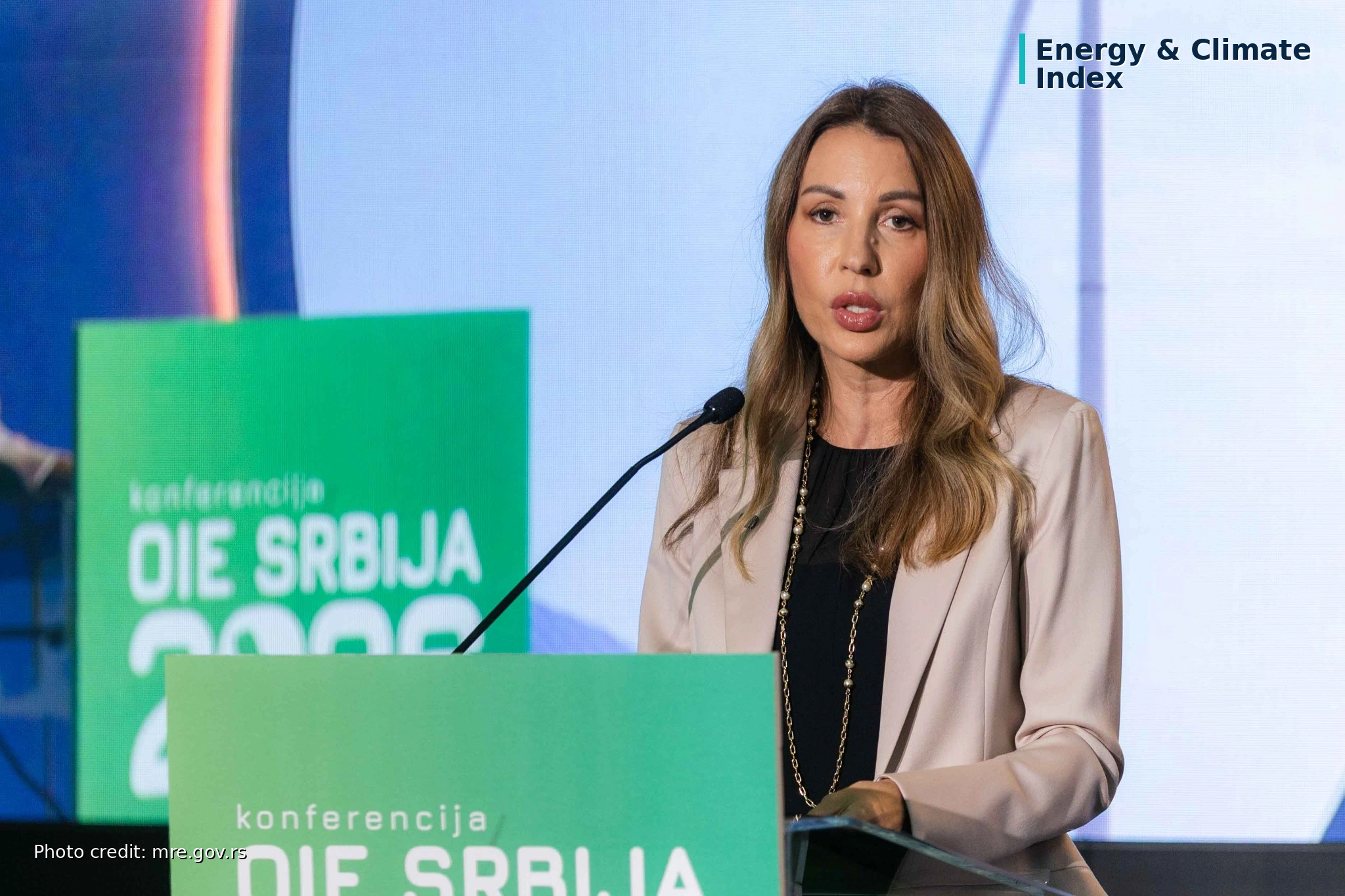
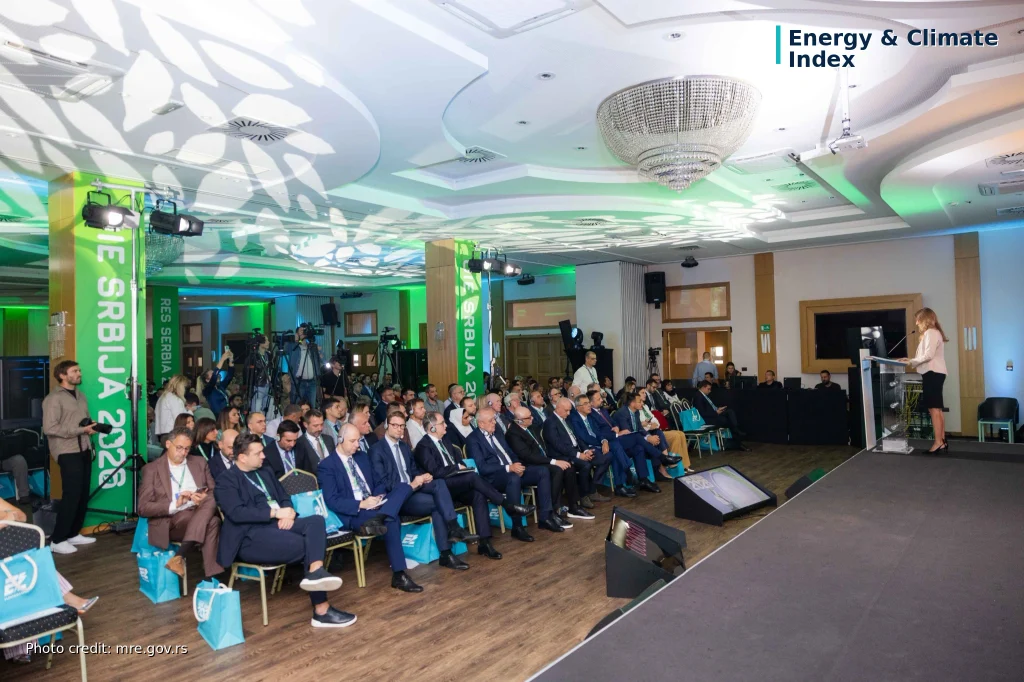
Minister of Mining and Energy Dubravka Đedović Handanović said at the “RES Serbia 2026” conference that over the past four years, Serbia’s solar and wind capacity has increased from around 400 MW to more than 1.3 GW. By the end of 2026, this figure is expected to approach 1.5 GW.
Auctions brought 1.2 GW of new projects
Through two rounds of renewable energy auctions, Serbia supported 17 new solar and wind power plants with a combined capacity of around 1.2 GW and an estimated investment value of nearly €1.5 billion.


Nine of these power plants have already been connected to the grid, while the remaining projects are expected to add another 784 MW.
According to the Ministry, the existing portfolio of private investments alone should bring at least 2.3 GW of solar and wind capacity onto the grid.
Further growth is expected from prosumers, which could contribute at least 300 MW by 2030, as well as from industrial companies operating under the active customer model and from new renewable energy investments by EPS.
More than 12 GW of projects seeking grid access
The rapid rise in interest in new renewable energy projects is also putting increasing pressure on Serbia’s electricity grid.
More than 12 GW of projects are currently included in transmission network development assessments — significantly more than the system can integrate at this stage.
As a result, the next connection windows have been postponed until September 2029, allowing authorities to determine which projects are genuinely progressing towards construction and which are primarily reserving grid capacity.
The minister stressed that the next phase of the energy transition cannot be based solely on adding new solar and wind capacity.
A stable electricity system will also require battery energy storage systems, pumped-storage hydropower plants, flexible generation, active customers and stronger integration with regional and European electricity markets.
New rules to accelerate renewable development
Serbia is also preparing amendments to its Law on the Use of Renewable Energy Sources.
The draft legislation is ready for public consultation and is expected to further align Serbia with EU directives, establish renewable acceleration areas and simplify permitting procedures.
The Ministry considers the target of at least 3.5 GW of new renewable energy capacity by the end of the decade achievable, but stresses that growth in generation capacity must be accompanied by investments in grids, storage and power-system flexibility.
ECI