

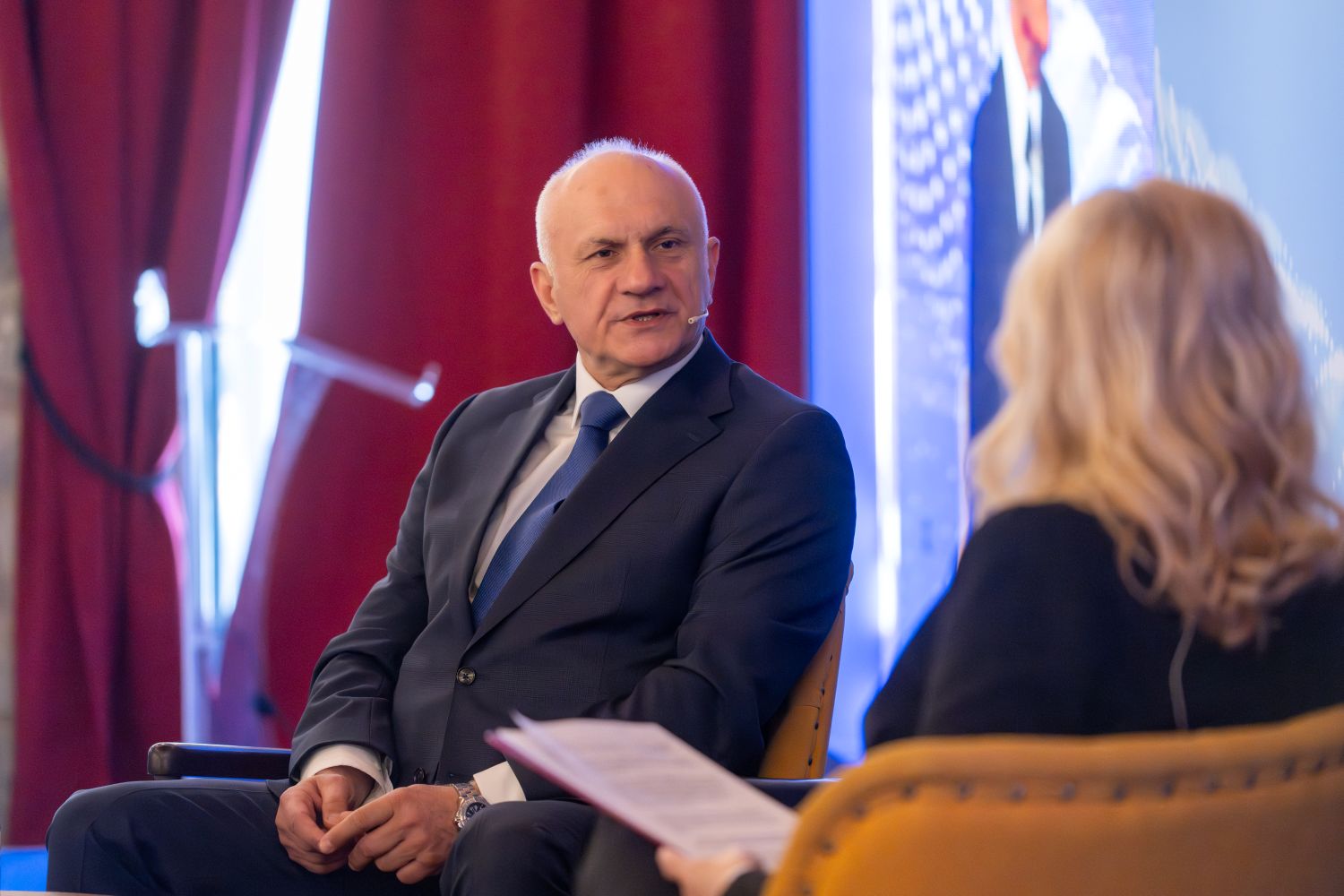
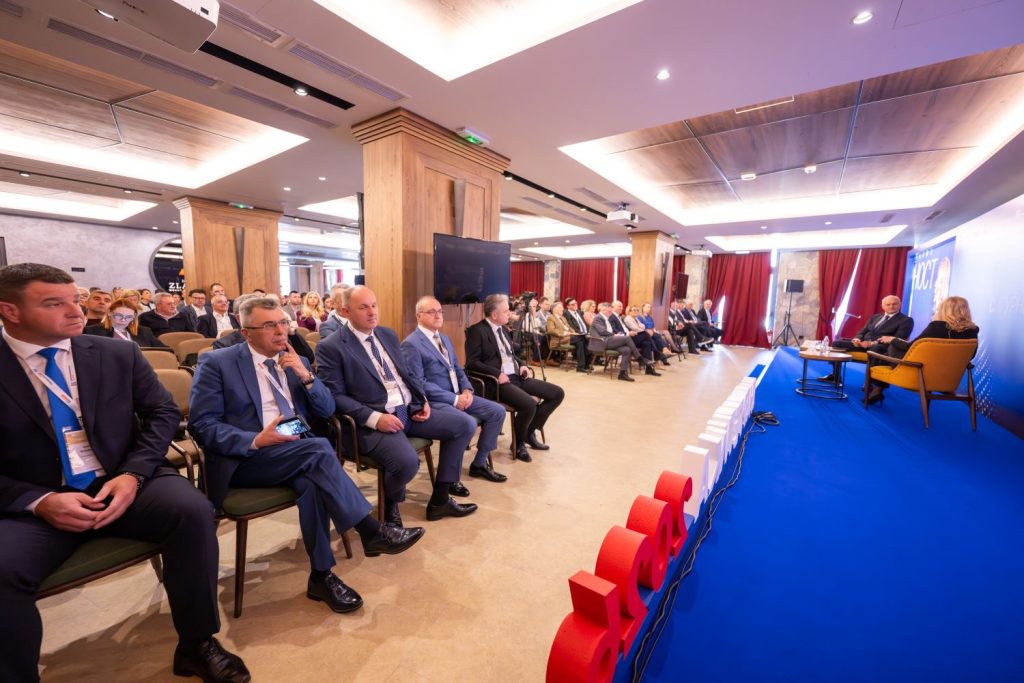
ZLATIBOR, Serbia – Dušan Živković, the General Director of “Elektroprivreda Srbije” (EPS), outlined the company’s future trajectory during the “Energy, Projects, Security” professional conference. He emphasized that as the nation’s largest energy producer, EPS is the natural choice to operate a future nuclear power plant.
Source: Elektroprivreda Srbija
The Shift Toward Nuclear and Decarbonization
Živković stated that the process of decarbonization requires a fundamental shift in how “base energy” is generated. He noted that the world’s most developed nations utilize nuclear power and argued that Serbia must secure its place within this technological landscape.


“The current focus must be on the education of future personnel to handle this technology,” Živković noted.
Strategic Investments: “Bistrica” and Gas Transition
The Director highlighted several key infrastructure goals:
- RHE Bistrica: Cited as the most significant strategic investment. Location conditions have been secured, and tenders for infrastructure works are set to be announced next week.
- Gas Energy: Acknowledging gas as a transition fuel, Živković confirmed intensive discussions regarding a new gas power plant in Niš.
Recent Performance and Capacity Growth
EPS has reported strong financial and production results over the last three years. The company has increased its capacity by 426 MW through several major completions:
- Block B3 (Kostolac): Added 350 MW of base power.
- Renewables: Launched the first wind farm in Kostolac (66 MW) and the “Petka” solar power plant (10 MW).
- Modernization: Completed desulfurization plants at TENT A and B, reducing sulfur dioxide emissions by 30 times.
- Hydropower: The revitalization of the “Bajina Bašta” reversible hydro plant and other upgrades have contributed an additional 100 MW to the grid.
Challenges and the CBAM Tax
Addressing market challenges, Živković raised concerns regarding the CBAM (Carbon Border Adjustment Mechanism) tax. He advocated for a solution regarding energy produced from renewable sources.
He estimated that if the 550 MW from wind farms (producing up to 2,000 GWh annually) were exempt or properly categorized, it could generate up to €250 million in export revenue. Currently, regional energy faces competitiveness issues when entering the EU market, despite the EU’s frequent energy shortages.